Hey there, culture explorers and curious minds! Have you ever felt that thrill of uncovering a truly unique artistic tapestry, a voice that echoes from a place you might not expect?
I certainly have! My own journey into the world of arts and literature has often led me to the most enchanting corners, and honestly, Lesotho, the stunning ‘Kingdom in the Sky,’ has captivated me like few others.
It’s more than just beautiful mountains; it’s a land brimming with stories, rhythms, and visuals that weave together the very soul of its people. From the ancient tales passed down through generations to the vibrant contemporary expressions flourishing today, Lesotho’s cultural scene is a treasure trove waiting for its moment in the spotlight.
I’ve personally been digging into these incredible narratives and artworks, and trust me, they offer a profound window into the heart of a nation. If you’re anything like me, always seeking genuine artistry and a deeper connection to global cultures, then you’re in for an absolute treat.
Let’s delve into the rich and often-overlooked world of Basotho creativity together, shall we? You won’t regret it.
Whispers of the Ancestors: Lesotho’s Vibrant Oral Traditions

When I first started exploring Basotho culture, I was absolutely mesmerized by the sheer depth and vitality of their oral traditions. It’s truly the heartbeat of their society, a living archive where history, wisdom, and beliefs are passed down with such passion and reverence.
Imagine sitting around a crackling fire under a vast African sky, listening to elders weave tales that not only entertain but also educate, reinforcing community bonds and a shared sense of identity.
These narratives aren’t just quaint old stories; they’re vital educational tools, shaping the Basotho identity for centuries. From myths about the origin of the Basotho people from a mythical place called Ntswana-tsastsi – “the place where the sun rises” – to legends blending fact and fiction, these stories connect generations.
I’ve found that the way Basotho storytellers begin with “Ba re e ne re…” (They say it happened that…) and the audience responds with “Qooiiii” creates such an interactive, immersive experience.
It really makes you feel like you’re part of something ancient and ongoing, a continuous thread of human connection through narrative. This rich tradition includes heroic poetry called *dithoko*, which were inspired by tribal wars and battles, celebrating the deeds of kings and warriors.
Echoes in Praise Poetry and Folktales
One of the most powerful forms within this oral tradition is *dithoko*, or praise poetry. Every Sotho king, for instance, had a designated praise poet who would extol their ancestry and accomplishments.
It’s not just historical record; it’s a dynamic art form where eloquence, or *bokheleke*, is highly valued, and those who possess this skill are deeply respected.
Beyond the formal praise, you find a treasure trove of folktales – myths, legends, and fables – that often feature animals as central characters, imparting moral lessons and cultural values.
These tales are constantly adapted with each retelling, making them incredibly dynamic and alive. The continuity of these stories, even in modern times, profoundly impacts Basotho identity, helping to preserve language and adapt cultural practices.
It’s a reminder that culture isn’t static; it breathes and evolves through the stories we share.
Songs of the Migrant Workers: *Difela*
A particularly poignant development in Basotho oral poetry is the emergence of *difela tsa litsamayanaha*, or “songs of the travelers,” often referred to simply as *difela*.
These are the chants of mine workers, composed and recited during their arduous journeys to and from the mines, often taking weeks on foot. I was really moved when I learned about this, imagining the men using these songs to express the hardships of economic struggle, exploitation, and strong political commentary, all while reflecting their existential self-understanding as contemporary heroes.
It’s such a raw, authentic form of expression, born from real-life experiences, and it completely embodies the resilience and spirit of the Basotho people.
Woven Wonders and Earthy Expressions: Basotho Traditional Crafts
Stepping into the world of Basotho crafts feels like walking through a living museum, where every object tells a story of identity, community, and incredible resilience.
I’ve always been drawn to the tactile nature of traditional art, and Lesotho’s craftsmanship certainly doesn’t disappoint. The heritage of skills passed down through generations isn’t just about making things; it’s a profound expression of who the Basotho people are.
From intricate weaving to pottery, beadwork, and even wood carving, each form is steeped in historical context and cultural significance. Visiting local markets and seeing artisans at work, often women, truly brings this heritage to life.
They are not just creating objects; they are preserving their cultural soul while often providing vital income for their families. It’s a powerful blend of utility, beauty, and economic empowerment that I find deeply inspiring.
The Iconic Basotho Blanket and Hat
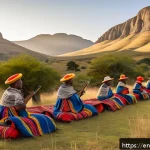
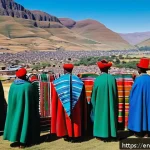
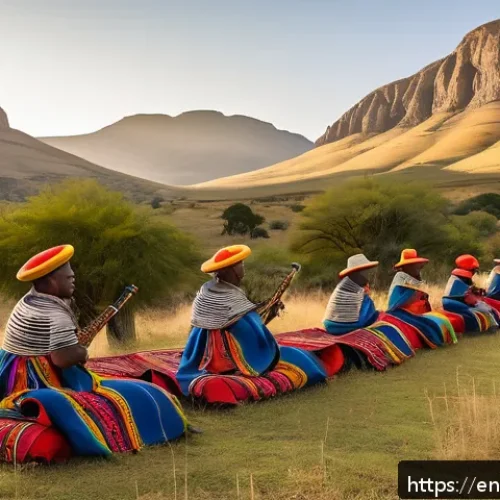
You can’t talk about Basotho crafts without immediately thinking of the iconic Basotho blanket (*kobo*) and the traditional conical hat (*mokorotlo*).
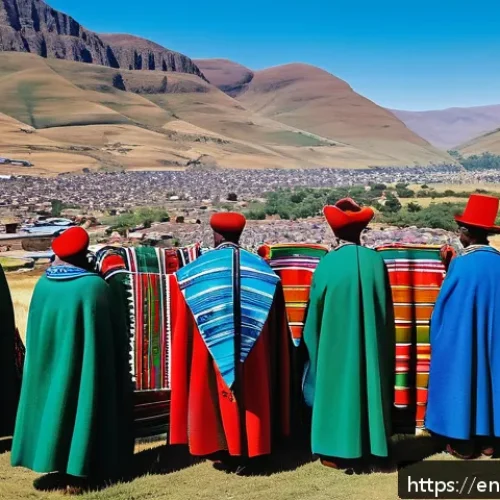
I actually want one of those blankets myself – they’re just so vibrant! The blankets are not just for warmth in the cool mountain air; they’re a distinctive cultural symbol, often multicoloured with geometric designs that can even be indicative of different regions of the country.
Women and men wear them differently, and the patterns often carry deep cultural meaning, symbolizing heritage and status. Then there’s the *mokorotlo*, the national hat, woven from reeds into a conical shape reminiscent of the mountains.
It’s not just practical for keeping the sun at bay; it’s an emblem of national pride, something I felt deeply when I saw people wearing them with such dignity.
Pottery and Beadwork: Art with a Purpose
Basotho pottery, though perhaps a more limited tradition compared to some other African cultures, holds its own charm. Traditionally, potters, often found in the lowlands, created hand-coiled, pit-fired pieces like large pitchers and bowls for local needs.
While factory-made goods have changed domestic demand, artisans continue to craft these pieces, with chicken sculptures being particularly popular, often targeting tourists while preserving their techniques.
Beadwork is another vibrant aspect, with intricate designs and colors that are far more than just decorative; they convey messages about identity, status, and heritage, often worn during special occasions.
I’ve seen some absolutely stunning pieces, with beads made from natural materials like seeds and shells, carrying deep cultural significance and highlighting the Basotho’s connection to their ancestors.
Rhythms of the Mountains: Music and Dance in Lesotho
The air in Lesotho often feels alive with music, a vibrant tapestry of sounds that are deeply rooted in the cultural identity of the Basotho people. I’ve always believed that music is the soul’s language, and here, it speaks volumes about daily life, traditions, and emotions.
Whether it’s the haunting strains of a traditional instrument or the powerful harmony of a choir, Basotho music is something truly special. It’s often influenced by neighboring Southern African countries but maintains its unique Sesotho styles, characterized by rhythmic patterns and expressive lyrics.
Just like the stories, the music isn’t just for listening; it’s an experience, an invitation to connect with the very essence of the land and its people.
Traditional Instruments and Melodies
When you explore traditional Basotho music, you’ll encounter a fascinating array of instruments, each with its distinct voice. I remember being so captivated by the sound of the *lesiba*, often called the “herd boy’s gramophone.” It’s a unique stringed-wind instrument, a flattened quill attached to a string stretched over hardwood, producing a haunting sound when the player inhales or exhales against the quill.
Then there’s the *lekolulo*, a flute typically played by young boys tending their herds, whose melodies echo across the mountains. Women often play the *thomo*, a string instrument, while men might play the *setolo-tolo*, a type of jaw harp.
More recently, the *mamokhorong*, sometimes known as the *sekhankula*, a friction bow instrument akin to a cracked violin, has also gained popularity, often played by herders for amusement.
Dance as Expression: From Ritual to Celebration
Dance in Lesotho is far more than just movement; it’s a profound cultural expression, often tied to significant life events and community ceremonies like harvests, births, marriages, and even funerals.
I’ve always found that dance offers such an incredible window into a culture’s collective spirit. The *mohobelo* is a men’s dance, requiring immense energy and endurance, featuring rhythmic foot stamping and often performed for amusement in the evenings.
The *mokhibo*, on the other hand, is a beautiful women’s dance performed from a kneeling position, with gentle rising and falling body movements and sweeping arm gestures, often accompanied by an informal choir.
These dances are not merely entertainment; they are a living heritage, a way to tell stories, honor traditions, and reinforce social bonds.
| Art Form | Description | Cultural Significance |
|---|---|---|
| Basotho Blanket (Kobo) | Colourful woollen blankets with intricate patterns. | National dress, symbol of identity, status, and cultural pride; practical warmth. |
| Mokorotlo (Hat) | Conical woven grass hat with a distinctive topknot. | National symbol, represents the mountains and Basotho identity; protection from the sun. |
| Oral Storytelling | Myths, legends, folktales, proverbs, praise poetry (*dithoko*). | Preserves history, imparts moral lessons, fosters community cohesion, shapes identity. |
| Lekolulo | A flute-like instrument, typically played by herding boys. | Traditional music, recreational instrument for herders. |
| Mohobelo Dance | Energetic men’s dance with rhythmic foot stamping. | Celebration, amusement, community gatherings. |
| Pottery | Hand-coiled, pit-fired clay objects, often utilitarian or decorative (e.g., chicken sculptures). | Historical utility, artistic expression, economic contribution for artisans. |
| Beadwork | Intricate designs and vibrant colours in jewellery and decorative items. | Symbolizes identity, status, heritage, worn during special occasions. |
| Famo Music | Contemporary Sesotho music featuring accordion and oil-can drum. | Popular modern genre, often addresses social issues. |
Modern Voices, Ancient Echoes: Contemporary Basotho Art
It’s absolutely thrilling to see how Lesotho’s art scene is evolving, with contemporary artists drawing profound inspiration from their cultural roots while fearlessly tackling modern-day challenges.
I’ve personally observed this fascinating blend of old and new in so many places, and Lesotho is no exception. While traditional crafts have always been foundational, there’s a dynamic range of artistic expressions emerging, reflecting the complexities of cultural identity in a rapidly changing world.
It’s such a testament to the resilience and creativity of the Basotho people to preserve their heritage while embracing innovation. These artists aren’t just creating beautiful objects; they’re articulating experiences, beliefs, and aspirations, sparking dialogues both locally and globally.
Artists Bridging Tradition and Modernity
A new generation of visual artists is truly making waves, using traditional motifs and techniques in fresh, compelling ways. I recently discovered the work of Nthabiseng ‘Nthatuoa’ Tšooana, a visual artist whose vibrant and expressive paintings explore themes of identity and social issues, beautifully blending Basotho heritage with a modern perspective.
Then there’s Thabo Makhetha, known for his textile designs that merge traditional Basotho patterns with contemporary aesthetics. It’s this kind of creative dialogue that truly captivates me – artists like Mapule Mohulatsi, a painter whose vibrant works draw inspiration directly from traditional Basotho motifs.
These artists are proving that art isn’t just a static representation of the past; it’s a living, breathing commentary on the present and a vision for the future.
Photography and Performance: New Lenses, Old Stories
Beyond traditional mediums, contemporary Basotho artists are also embracing new forms, like photography and performance, to tell their stories. Photography, in particular, has gained consistent popularity.
I love that local photographers are motivated to present a truthful representation of life in Lesotho, often challenging clichéd or foreign-centric narratives.
They’re capturing the essence of Basotho life, from the stunning landscapes to the challenges faced by communities, offering a powerful, authentic gaze.
And in music, artists like Morena Leraba are true cultural ambassadors, blending traditional Sesotho sounds with modern influences like hip-hop and electronic beats.
His music, for me, is a perfect example of how artists can push boundaries while remaining deeply rooted in their cultural identity, touching on social justice and spirituality.
It’s an exciting time to watch these vibrant expressions unfold.
Literary Landscapes: From Ancient Epics to Modern Narratives
When I first delved into the literary world of Lesotho, I was struck by how deeply storytelling is woven into the fabric of daily life. It’s a culture where the written word, though somewhat later in its formal development, stands firmly on the shoulders of a colossal oral tradition.
Think about it – generations have passed down intricate tales, proverbs, and poetry verbally, creating an incredibly rich foundation. This history gives Basotho literature a unique flavor, a blend of ancient wisdom and contemporary thought that really makes you feel like you’re uncovering something profound.
I’ve always found that understanding a nation’s literature is key to understanding its soul, and Lesotho’s literary landscape offers just that: a profound window into its heart and mind.
Pioneers of the Written Word
The Basotho people achieved relatively early literary recognition, and a name that immediately comes to mind is Thomas Mokopu Mofolo. He was truly a trailblazer, writing Western-style novels in Sesotho, which had a huge impact.
His work, along with early collections of traditional texts, helped bridge the gap between the rich oral traditions and the emerging written literature.
It wasn’t just about translating; it was about capturing the essence of a culture on paper, ensuring these invaluable stories and histories would endure.
I find it fascinating how the arrival of European missionaries in Southern Africa played a pivotal role in documenting these oral texts, bringing works like *Litsomo tsa Basotho* (Legends of the Basotho) into published form.
These pioneers didn’t just record; they helped solidify a literary foundation that continues to grow.
Contemporary Poets and Storytellers

Today, the literary scene continues to flourish, with contemporary Basotho poets and writers crafting narratives that resonate with emotional depth and cultural insight.
I’ve come across poets like Rethabile Rakuoane, who brilliantly weaves together tradition and modernity in verse, addressing universal themes of love, loss, and identity within the context of a rapidly changing world.
This new wave of poetry, often termed Modern Sesotho Poetry, began around 1931 and diverges from the classical *lithoko* by experimenting with new forms, styles, and themes, incorporating cultural, religious, and even Western poetic traditions.
It’s incredibly exciting to see how these voices are shaping the narrative, using literature not only to preserve heritage but also to engage with contemporary issues, giving readers a vibrant, evolving picture of Lesotho.
Sacred Spaces and Festival Flavors: Cultural Gatherings
There’s something truly magical about gathering, isn’t there? In Lesotho, cultural gatherings are not just events; they are the vibrant pulse of the nation, where communities come alive with shared joy, history, and artistic expression.
I’ve always felt that the true spirit of a place shines brightest during its festivals and communal celebrations. These occasions in the “Kingdom in the Sky” offer a dazzling showcase of Basotho heritage, from spirited music and dance to traditional crafts and poignant storytelling.
It’s where the past genuinely shakes hands with the present, and where you can witness the collective heart of the Basotho people beating strong. If you ask me, these festivals are an absolute must-experience for anyone wanting to truly connect with the culture.
The Morija Arts and Cultural Festival
One of the most significant and celebrated events is the Morija Arts and Cultural Festival, held annually just south of Maseru. I’ve heard so much about it, and it sounds like an absolute explosion of talent and tradition.
This festival acts as a crucial platform, showcasing Lesotho’s diverse artists, performers, and cultural groups. It’s a place where traditional music and dance take center stage, where you can see the intricate craftwork of artisans, and where history is celebrated with immense pride.
Imagine being immersed in that energy, experiencing firsthand the vibrant rhythms and powerful stories that define Basotho culture. It’s not just a show; it’s a living, breathing testament to their enduring spirit and creativity, attracting visitors and participants from all over.
Community Celebrations and Spiritual Significance
Beyond the grand festivals, smaller, community-led celebrations and rituals hold profound significance, often blending traditional beliefs with Christian practices, a common syncretism in Basotho spirituality.
These gatherings might include initiation rites, where boys and girls are trained to take their place as full members of their community, clan, and nation.
Music and dance are integral to these ceremonies, making them deeply moving experiences. Even simple village life is punctuated by social gatherings, where elders share stories around the fire, reinforcing social bonds and cultural values.
It’s a beautiful thing to witness how these practices, whether grand or intimate, collectively safeguard the cultural identity of the Basotho, ensuring that their rich heritage continues to thrive and evolve.
Crafting Identity: The Enduring Legacy of Basotho Makers
There’s something incredibly special about holding an object crafted by hand, isn’t there? In Lesotho, this feeling is amplified because every woven grass mat, every beaded necklace, every uniquely designed blanket carries the spirit of generations.
The Basotho people have an undeniable knack for transforming natural materials into items that are both exquisitely beautiful and deeply functional. I’ve spent hours admiring the skill and dedication evident in their traditional crafts, and it’s clear these aren’t just commodities.
They are tangible links to history, expressions of identity, and vital threads in the rich tapestry of Basotho culture. It’s truly inspiring to see how these artisans maintain their traditions while also contributing meaningfully to their communities and local economy.
The Art of Weaving and Basketry
Lesotho is particularly renowned for its weaving traditions, especially for items like baskets, mats, and the famous Basotho blankets. I’m always amazed by the intricate patterns in these woven pieces; they’re not just decorative but often tell stories or depict cultural events.
While the Basotho blanket is perhaps the most globally recognized, don’t overlook the artistry in their grass products. The iconic *mokorotlo* hat, for example, is a masterpiece of grass weaving, shaped like the sacred Mount Qiloane and a powerful symbol of the nation.
Beyond hats, you’ll find beautifully crafted grass bags, floor mats, and large traditional storage baskets called *disiu*, which were originally used for storing grain.
These are not merely practical items; they are crafted with an aesthetic sensibility that elevates them to true art forms.
Mohair: A Modern Weaving Marvel
Interestingly, while many Basotho crafts have ancient roots, the mohair weaving tradition has a more recent origin, introduced by foreigners in the 1960s to utilize the high-quality mohair from local goats.
Despite this more recent introduction, it has become a distinctive Lesotho art form, acclaimed for its high quality. I’ve seen some of these mohair weavings – from wall hangings to rugs and table runners – and they are absolutely stunning, often featuring bold colors and patterns.
Teyateyaneng, often referred to as “T.Y.,” has even become known as the “craft center of Lesotho” due to its concentration of weaving businesses. This adaptation shows how Basotho artisans can blend traditional skills with new materials and techniques, creating unique products that find appreciation both locally and on the international market, showcasing their adaptability and ingenuity.
Beyond Borders: Lesotho’s Global Artistic Footprint
It’s incredibly exciting to see Lesotho’s vibrant cultural scene reaching beyond its stunning mountain borders and making a name for itself on the global stage.
For me, connecting with different cultures is all about finding those universal threads that unite us, and Basotho artists are doing just that by sharing their unique narratives with the world.
While Lesotho might be a small country, its artistic expressions carry immense weight and profound messages, resonating with audiences far and wide. This growing recognition isn’t just about showcasing beautiful art; it’s about fostering dialogue, building understanding, and celebrating the rich tapestry of human creativity that Lesotho so passionately contributes to.
International Recognition and Collaborations
Lesotho’s artists are increasingly finding their place within the global context, whether through cultural exchanges, participation in international events, or by simply having their work seen and appreciated by a wider audience.
I find it truly inspiring to see contemporary Basotho artists engaging in prestigious art exhibitions, helping to shine a spotlight on the kingdom’s emerging talent.
Take, for instance, filmmakers like Sechaba Morojele, whose works explore the complexities of Basotho society and have been screened at international film festivals, bringing nuanced portrayals of everyday life to global viewers.
And in music, artists like Morena Leraba are gaining international followings, blending traditional Sesotho sounds with global genres and performing to diverse audiences.
These collaborations and opportunities are not just about individual success; they are about amplifying the voice of a nation.
Preserving Heritage, Inspiring the Future
What truly stands out to me is how these global engagements aren’t diluting Basotho culture, but rather strengthening it. Artists are leveraging international platforms to preserve their heritage while simultaneously embracing contemporary influences.
They’re taking motifs from ancient petroglyphs left by the San people at sites like Ha Baroana and incorporating them into modern works. This blending of the ancient with the new allows them to communicate their cultural identity while also engaging with modern themes and issues, making their art relevant and powerful.
It’s a testament to the fact that creativity knows no bounds and that authentic cultural expression, when shared with passion and integrity, can truly captivate hearts and minds across the world.
Lesotho’s journey in the arts reminds us that every voice, no matter where it hails from, has something unique and valuable to contribute to the global conversation.
Wrapping Up Our Cultural Journey
What an incredible journey we’ve taken through the heart of Lesotho, the ‘Kingdom in the Sky’! It’s truly been an eye-opening exploration, revealing a vibrant tapestry woven from ancient traditions, dynamic artistry, and the indomitable spirit of the Basotho people. From the captivating echoes of their oral histories and the heartfelt rhythms of their music to the exquisite craftsmanship in every blanket and basket, Lesotho’s culture is a testament to human creativity and resilience. I genuinely hope this deep dive has sparked your curiosity and given you a newfound appreciation for this often-overlooked cultural gem. There’s so much more to discover, and I encourage you to keep exploring, because places like Lesotho remind us just how rich and diverse our global human story truly is.
Useful Information to Know When Exploring Basotho Culture
1. Respect Local Customs: When visiting Lesotho, always approach cultural interactions with an open mind and respect. Simple gestures like greeting elders first or asking permission before taking photos can go a long way in showing appreciation for their traditions.
2. Support Local Artisans: Seek out local markets and craft shops for authentic souvenirs. Purchasing directly from artisans ensures your money directly benefits the community and helps preserve these invaluable traditional skills. Look for the iconic Basotho blanket and the *mokorotlo* hat!
3. Engage with Oral Traditions: If you have the opportunity, try to attend a storytelling session or a traditional performance. While language might be a barrier, the passion and artistry are universal, offering a unique window into the Basotho worldview.
4. Learn a Few Sesotho Phrases: A few basic phrases like “Lumela” (Hello) or “Kea leboha” (Thank you) can greatly enhance your experience and show your genuine interest in their culture. Locals truly appreciate the effort!
5. Consider Cultural Festivals: If your travel dates permit, try to coincide your visit with a major event like the Morija Arts and Cultural Festival. These gatherings offer an immersive and comprehensive showcase of Basotho music, dance, art, and history.
Key Takeaways
Lesotho’s culture is a profound blend of rich oral traditions, particularly praise poetry and folktales, that underpin its societal values. Its traditional crafts, notably the iconic Basotho blanket and *mokorotlo* hat, are not just functional but are powerful symbols of national identity. Music and dance are integral to daily life and celebrations, expressed through unique instruments and energetic movements. Contemporary Basotho artists are masterfully bridging ancient heritage with modern influences, making significant contributions to visual arts, literature, and performance. Finally, communal gatherings and festivals serve as vital platforms for preserving and celebrating this vibrant cultural legacy, ensuring its resilience and global recognition.
Frequently Asked Questions (FAQ) 📖
Q: What are some of the most captivating art forms and cultural expressions I can expect to discover in Lesotho, the “Kingdom in the Sky”?
A: Oh, you’re in for such a treat! When I first started digging into Basotho culture, I was absolutely mesmerized by its richness. You’ll definitely find that music and dance are at the very heart of things, with vibrant traditional instruments like the lesiba and thomo accompanying truly spirited performances.
But it’s not just auditory; the visual arts are equally stunning! Think intricate traditional crafts like the famous Basotho hat, the mokorotlo, which isn’t just a hat but a national symbol, woven with incredible precision.
Then there are the beautiful blankets, each pattern telling a story, and the vibrant beadwork. And let’s not forget the incredible tradition of storytelling, litsomo, passed down through generations.
I’ve personally found that these stories, often filled with clever animal characters and moral lessons, offer such a profound insight into the Basotho worldview.
It’s like stepping into a living, breathing history book, but one that’s still being written with contemporary artists adding their unique modern twists to these age-old traditions.
Q: For someone truly interested in experiencing Basotho culture firsthand, what’s the best way to immerse myself, beyond just reading about it?
A: This is a fantastic question, and honestly, it’s where the real magic happens! If you’re serious about connecting with Basotho culture, nothing beats experiencing it directly.
My top recommendation would be to plan a visit to Lesotho itself. Try to time your trip with one of their local festivals – these are incredible celebrations where you’ll see traditional dances, hear live music, and truly feel the communal spirit.
I’ve personally found that staying in a local village or with a community-based tourism initiative offers an unparalleled, authentic experience. You can learn traditional cooking, witness craft making, or even try your hand at weaving.
Beyond that, seeking out local markets is a must. Chat with the artisans, learn about their techniques, and you’ll find yourself not just buying a souvenir but taking home a piece of their story.
If travel isn’t immediately possible, look for online cultural exchange programs or documentaries. Sometimes, even following Basotho artists and cultural organizations on social media can give you a wonderful glimpse into their vibrant world and help you plan your future immersive adventure!
Q: What truly makes Lesotho’s cultural heritage so distinct and captivating compared to other regions in
A: frica? A3: That’s a brilliant observation, and it’s something I’ve pondered a lot! What makes Lesotho so uniquely captivating, in my humble opinion, boils down to a few key elements.
First, its incredible geography as the “Kingdom in the Sky,” entirely encircled by South Africa, has historically fostered a unique sense of isolation and self-preservation.
This geographical embrace has allowed their traditions to develop with a distinct character, somewhat shielded from broader regional influences. Second, the Basotho people have a remarkably unified cultural identity, centered around the Sotho language and a rich history as a single kingdom.
This strong, cohesive identity is woven into every aspect of their art, music, and daily life. You’ll find a deep reverence for their kingship and national symbols, like the iconic Basotho hat and blanket, which are more than just items; they are powerful expressions of who they are.
I’ve personally felt that this deep-seated pride and unity create an almost palpable authenticity in their cultural expressions that truly sets them apart.
It’s not just a collection of customs; it’s a living testament to a people who have fiercely maintained their heritage against all odds, creating an artistic tapestry that feels both ancient and refreshingly vibrant.