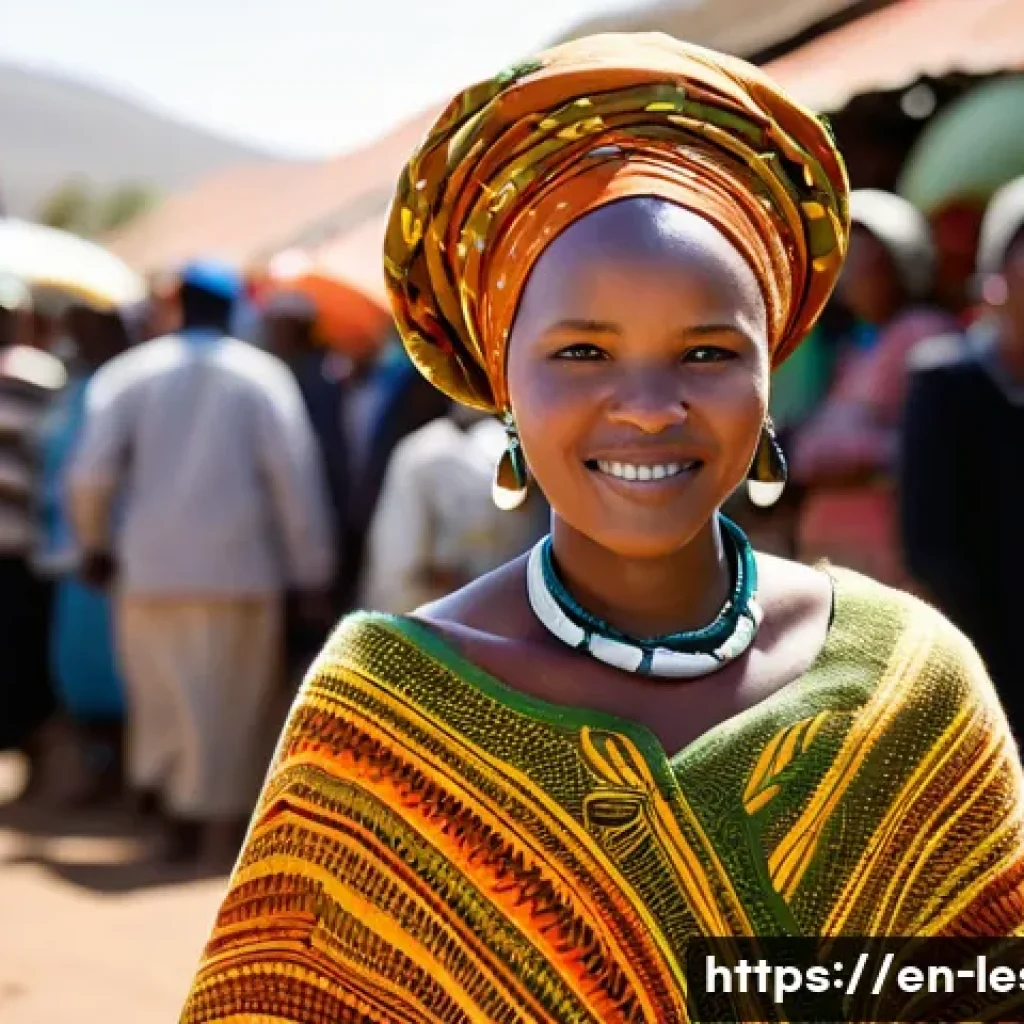
Have you ever noticed how certain cultures just speak volumes through their attire? It’s more than just fabric and threads; it’s a living tapestry woven with history, deeply held beliefs, and a profound sense of identity.
As someone who’s always been incredibly fascinated by global cultures, I’ve spent countless hours exploring how clothing tells a nation’s story, and frankly, it never ceases to captivate me.
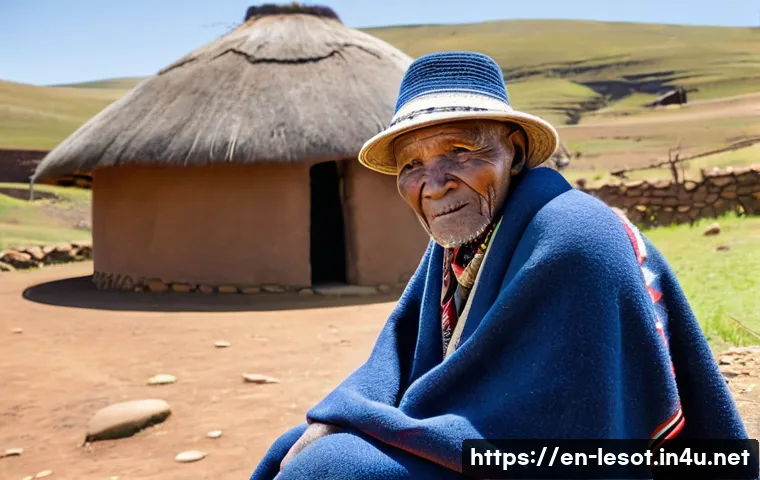
From the intricate patterns of a Japanese kimono to the vibrant hues of an Indian saree, each garment holds a piece of a nation’s soul. What truly struck me recently was diving deep into the traditional garments of Lesotho, a stunning mountain kingdom nestled in Southern Africa.
You see, their clothing isn’t just about looking good; it’s steeped in practicality, powerful symbolism, and a profound connection to the very land they inhabit, a testament to resilience and cultural pride that continues to thrive today.
The iconic Basotho blanket, known affectionately as the Kobo, isn’t just a covering; it’s a shield against the biting mountain chill and a vibrant canvas of Basotho identity, rich with patterns that carry deep, ancestral meanings.
And let’s not forget the distinctive Mokorotlo hat, a national emblem you’ll see proudly worn everywhere. These aren’t just clothes; they’re incredible conversation starters, living history lessons, and powerful symbols of a people deeply connected to their heritage, truly unique in their expression.
If you’ve ever wondered about the stories woven into these distinct garments and why they’re so cherished, you’re absolutely in for a delightful journey.
Let’s peel back the layers and genuinely understand the captivating world of Lesotho’s traditional attire.
The Woven Stories of Basotho Blankets
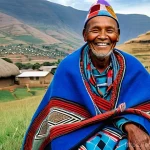
Let me tell you, stepping into Lesotho, you can’t help but be completely captivated by the Basotho blanket, or *Kobo*. It’s not just a piece of fabric; it’s a living, breathing testament to a culture that thrives in the mountains.
I remember my first time seeing a man draped in a vibrant Kobo, riding a pony along a dusty path – it was like a scene straight out of a historical epic, yet it was everyday life.
These blankets are more than just practical warmth against the sometimes brutal mountain chill; they are a profound visual language. Each pattern and color combination isn’t just a design choice; it’s a narrative, telling tales of the Basotho people’s history, their values, and their connection to the land.
You’ll often see distinct patterns like the “Poone” (corn cob), symbolizing fertility and wealth, or the “Badges” pattern, which commemorates important historical events.
When I spoke with local artisans, they shared how the process of selecting and wearing a Kobo is deeply personal, often passed down through generations.
It truly made me appreciate that this isn’t fast fashion; it’s an heirloom, a legacy, and a piece of identity that people wear with immense pride. Honestly, seeing the intricate craftsmanship firsthand, feeling the quality of the wool, and understanding the generations of knowledge woven into each thread, it just gives you a whole new level of respect for this incredible garment.
It’s a statement, a comfort, and a constant reminder of heritage, all wrapped up in one.
A Tapestry of History and Practicality
The history of the Basotho blanket is just as fascinating as its patterns. What I’ve learned is that it wasn’t always a part of their traditional attire.
The story goes that in the late 19th century, King Moshoeshoe I was gifted a wool blanket, and he quickly saw its superior practicality compared to the animal hides previously worn.
This simple gift revolutionized Basotho clothing. Imagine, in a climate where temperatures can plummet, having a durable, warm, and water-resistant blanket that also allows for freedom of movement – it was a game-changer.
This adaptability, I’ve observed, is deeply ingrained in Basotho culture. The blankets protect against the elements while still allowing for traditional activities like herding and farming.
It’s a perfect blend of form and function, something I truly admire about traditional garments that have stood the test of time. Every time I see a Basotho man or woman wrapped in their Kobo, I’m reminded of this smart, practical evolution that became such a powerful cultural emblem.
Decoding the Designs: More Than Meets the Eye
Trust me when I say, the patterns on a Basotho blanket are not random. Far from it! As I delved deeper, I discovered that each motif carries significant cultural weight.
The “Victoria” pattern, for instance, commemorates a visit by Queen Victoria, while the “Kharetsa” features a spiraling aloe plant, a symbol of endurance and resilience found abundantly in Lesotho’s rugged landscape.
It’s like wearing your history and your environment on your sleeve, or rather, on your shoulder! My favorite part about learning this was realizing that you could almost read the story of a person or a family just by observing their chosen Kobo.
It’s a subtle yet incredibly powerful form of non-verbal communication. I’ve often seen people choose specific patterns for rites of passage, like weddings or initiation ceremonies, reinforcing the idea that these aren’t just blankets, but sacred objects imbued with deep personal and communal meaning.
It makes you realize how much thought and symbolism are packed into every single thread.
The Distinctive Crown: The Mokorotlo Hat
Oh, the Mokorotlo! You simply cannot talk about Lesotho’s traditional attire without giving a special nod to this iconic hat. Every time I see its unique conical shape, reminiscent of Mount Qiloane (a peak sacred to the Basotho), I’m just struck by its elegance and profound symbolism.
It’s not just a hat to keep the sun off your head, though it certainly does that job well in the African sun; it’s a national emblem, a proud declaration of Basotho identity.
What truly fascinates me is how something so seemingly simple can carry such immense cultural weight. I’ve been told by locals that it represents unity, strength, and the very spirit of the nation.
You’ll see it everywhere, from informal gatherings to formal state events, always worn with an undeniable sense of dignity. It’s a testament to how deeply culture is woven into daily life in Lesotho, and it’s one of those items that immediately tells you where you are in the world.
Crafting a National Icon: The Mokorotlo’s Journey
The making of a Mokorotlo is, in itself, a fascinating process that speaks volumes about traditional craftsmanship. I was lucky enough to observe artisans weaving these hats from local grasses, primarily *mohlabana* and *lehlaka* reeds, which are carefully selected and prepared.
It’s a slow, meticulous process that requires incredible skill and patience, often passed down through generations. What struck me was the precision involved in shaping the hat, from its wide brim to its distinctive coiled peak.
It’s not just about weaving; it’s about engineering a structure that is both beautiful and functional, capable of withstanding the elements while maintaining its symbolic form.
I noticed how the texture and finish varied slightly from hat to hat, a subtle reminder that each one is handmade, a unique piece imbued with the spirit of its maker.
This personal touch, this dedication to traditional methods, is something I really cherish when exploring global cultures.
Symbolism Beyond the Silhouette
Beyond its striking silhouette, the Mokorotlo hat carries layers of meaning that truly make it special. As I mentioned, its shape is believed to echo Mount Qiloane, a geological marvel that holds spiritual significance for the Basotho people.
This connection to the land is vital, grounding the hat in the very geography and history of the kingdom. But it’s more than just a mountain peak; it’s often seen as a symbol of peace, stability, and the unified spirit of the nation.
I’ve been told that traditionally, a person’s social standing or occasion might influence the size or specific weave of their Mokorotlo, though today it’s widely worn as a universal symbol of Basotho pride.
Seeing children wear smaller versions, learning to embrace their heritage from a young age, is particularly heartwarming. It’s a quiet but powerful statement of belonging, a visible thread connecting every individual to the larger Basotho tapestry.
Beyond the Kobo and Mokorotlo: A Wider Wardrobe
While the Kobo and Mokorotlo are undeniably the stars of Lesotho’s traditional attire, the full spectrum of their traditional wardrobe is a vibrant collection that I found truly fascinating.
It’s not just about these two iconic pieces; there’s an entire ensemble that comes together, particularly for special occasions and ceremonies, which paints an even richer picture of Basotho culture.
From the intricate beadwork adorning various garments to the specific styles of dresses and wraps worn by women, each element tells its own story. I’ve observed how the choice of colors and materials can denote age, marital status, or even a specific region, adding yet another layer of depth to their sartorial expressions.
It’s a nuanced system of visual communication that, once you start to pick up on it, makes observing traditional gatherings incredibly enriching. It’s a truly holistic approach to dress, where every piece plays a role in defining identity and context.
The Elegance of Basotho Women’s Attire
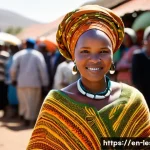
Let’s talk about the incredible elegance of Basotho women’s traditional attire. I was particularly struck by the way women incorporate the Kobo, often draped gracefully over their shoulders, but also by their own unique garments.
You’ll often see them in beautifully patterned skirts (often called *lithotho* or *thethana*) and blouses, sometimes adorned with vibrant beadwork around the neck and wrists.
What truly caught my eye was the *seanamarena* blanket, a specific type of Kobo, often worn by women, which is lighter and comes in a breathtaking array of colors and patterns.
It’s not just about looking beautiful; it’s about expressing femininity, cultural pride, and sometimes even a woman’s journey through life. I remember seeing a group of women at a local market, their attire a kaleidoscope of colors and textures, each piece speaking volumes about their individual stories and their collective heritage.
It’s a powerful and beautiful display of cultural identity that is both graceful and incredibly strong.
Traditional Garments in Modern Lesotho
One of the most inspiring things I’ve noticed about traditional Basotho attire is its enduring presence in modern life. Unlike some cultures where traditional clothing is reserved only for museums or ceremonial events, in Lesotho, you’ll see people proudly wearing their Kobo and Mokorotlo as part of their daily routine.
It’s not uncommon to see someone in a contemporary outfit, perhaps jeans and a t-shirt, effortlessly layered with a Basotho blanket or topped with a Mokorotlo hat.
This blend of the old and the new, I believe, speaks volumes about the strength and resilience of Basotho culture. It’s not about clinging to the past; it’s about carrying it forward, integrating it seamlessly into the present, and celebrating heritage in a dynamic, living way.
This adaptability ensures that these beautiful traditions continue to thrive and evolve, remaining relevant and cherished by new generations, something I find incredibly hopeful and inspiring.
Preserving the Craft: Artisans and Community
When I reflect on Lesotho’s traditional attire, my thoughts often drift to the incredible artisans who are the true custodians of these cultural treasures.
It’s one thing to admire a beautiful Kobo or a perfectly woven Mokorotlo, but it’s another entirely to understand the hands-on skill, dedication, and generations of knowledge that go into their creation.
I’ve had the privilege of meeting some of these master weavers and crafters, and their passion for their work is truly infectious. They’re not just making a product; they’re preserving a legacy, ensuring that the intricate patterns and traditional weaving techniques are passed down to younger generations.
This commitment to continuity, often against the backdrop of modern, mass-produced goods, is something I find incredibly moving. It’s a testament to the community’s desire to maintain its unique identity and to value the tangible links to its past.
The Role of Local Workshops and Cooperatives
What I’ve consistently observed in Lesotho, and what I believe is crucial for the survival of these crafts, are the numerous local workshops and artisan cooperatives.
These places are not just production centers; they’re vibrant hubs of cultural exchange and learning. They provide a space for experienced artisans to mentor apprentices, sharing the nuances of selecting the right wool or grass, the intricate art of weaving, and the deeper cultural meanings behind each design.
I’ve seen firsthand how these cooperatives empower local communities, particularly women, by providing sustainable livelihoods and a platform for their artistic talents.
Supporting these local initiatives, I firmly believe, is the most impactful way to ensure that the exquisite artistry of Basotho traditional attire continues to flourish.
It’s a direct way to contribute to both economic well-being and cultural preservation, a win-win in my book.
Ethical Sourcing and Sustainable Practices
As someone who deeply cares about responsible travel and consumption, the ethical sourcing and sustainable practices surrounding Basotho attire are something I pay close attention to.
I’ve learned that many of the wool blankets are made from locally sourced merino wool, a sustainable resource from the sheep that thrive in Lesotho’s highlands.
Similarly, the reeds for the Mokorotlo are harvested carefully to ensure regeneration. This emphasis on local materials and traditional, often environmentally friendly, production methods is incredibly reassuring.
When you purchase a Kobo or Mokorotlo from a reputable local artisan or cooperative, you’re not just acquiring a beautiful item; you’re supporting a sustainable craft that benefits the community and respects the environment.
It feels good knowing that the beauty you bring home has a positive story behind it, contributing to the well-being of the people and the planet.
Cultural Celebrations and the Power of Dress
There’s something truly magical about witnessing the full splendor of Basotho traditional attire during cultural celebrations. It’s one thing to see individual pieces, but when you see entire communities gathered, adorned in their finest, the impact is simply breathtaking.
I’ve had the privilege of attending local festivals and ceremonies, and the vibrant display of Kobos, the proud wearing of Mokorotlos, and the joyful movement of traditionally dressed individuals creates an atmosphere that’s truly unforgettable.
It’s more than just a fashion show; it’s a powerful affirmation of identity, a collective celebration of heritage, and a testament to the enduring spirit of the Basotho people.
These events truly highlight how clothing acts as a living archive, connecting past, present, and future in a visually stunning way. It’s an experience that really sticks with you, reinforcing the idea that culture is a dynamic, living entity.
Rites of Passage and Traditional Garments
What truly fascinates me about the integration of traditional attire into Basotho life is its significance during rites of passage. I’ve learned that specific blankets and garments are worn during pivotal moments, such as initiation ceremonies, weddings, and even funerals, each carrying its own distinct symbolism and importance.
For example, during initiation, young men and women wear specific blankets to mark their transition into adulthood, a powerful visual representation of their new status and responsibilities.
At weddings, the bride and groom might wear matching blankets, symbolizing their unity and the blending of families. These aren’t just outfits; they’re ceremonial regalia, imbued with spiritual and communal meaning, making these life events even more profound.
It’s a beautiful way to mark the journey of life, with each garment telling a part of the personal and collective story.
Festivals and Community Gatherings
Attending a major Basotho festival, like the Morija Arts & Culture Festival, is an experience I highly recommend if you want to see traditional attire in its full glory.
It’s during these vibrant community gatherings that the rich tapestry of Basotho dress truly comes alive. Imagine thousands of people, from elders to young children, all proudly displaying their Kobos and Mokorotlos, often paired with contemporary elements.
The air buzzes with music, dance, and storytelling, and the clothing becomes an integral part of this lively cultural expression. It’s a visual feast, where every color, every pattern, and every drape contributes to a collective narrative of pride and heritage.
I’ve found these events to be incredibly moving, a powerful reminder of how clothing can bind a community together and celebrate its unique identity in such a joyful and unforgettable way.
Bringing a Piece of Lesotho Home: Shopping Tips
After spending time immersing myself in the rich cultural tapestry of Lesotho’s traditional attire, I often get asked by fellow travelers and culture enthusiasts, “How can I bring a piece of this home responsibly?” It’s a great question because, frankly, you’ll be tempted!
The beauty and craftsmanship of the Basotho blankets and Mokorotlo hats are undeniable. My advice, based on my own experiences, is always to prioritize authenticity and ethical sourcing.
You want a piece that tells a true story, not just a souvenir. Finding genuine articles means seeking out local markets, dedicated artisan workshops, or community cooperatives.
Not only do you get a truly unique item, but you also ensure that your purchase directly supports the talented individuals and communities who preserve these incredible traditions.
It’s a far more rewarding experience than simply buying something from a mass-produced tourist shop.
Where to Find Authentic Basotho Treasures
From my travels, I’ve found that the best places to discover authentic Basotho blankets and Mokorotlo hats are often in the heart of local communities.
The bustling markets in Maseru, the capital, are a fantastic starting point, though you’ll need to develop a keen eye for quality. Even better, if you venture out into smaller towns and villages, you’ll often find artisans working directly in their homes or at small, dedicated workshops.
For example, I’ve had wonderful experiences at craft centers that explicitly support local weavers. These places often have transparent pricing and can even tell you about the specific artisan who made your item, which really adds to its story.
When you’re there, don’t be afraid to ask questions about the materials, the patterns, and the history behind the piece. It enriches the buying experience tenfold and ensures you’re getting a genuine article.
Caring for Your Cultural Keepsake
Bringing home a Basotho blanket or Mokorotlo is like bringing home a piece of history, so knowing how to care for it is crucial. These items are often made from natural wool or reeds, designed for durability, but they still need a bit of love to last.
For wool blankets, I’ve learned that gentle hand washing with cold water and mild soap, followed by air drying, is usually the best approach to maintain their vibrant colors and softness.
Avoid harsh chemicals or machine washing, as that can damage the fibers. For the Mokorotlo hat, a simple dusting or gentle wiping with a damp cloth is usually sufficient.
The key, I’ve found, is to treat these items not just as purchases, but as precious cultural artifacts. Proper care ensures that your beautiful piece of Lesotho’s heritage remains a cherished part of your home for many years to come, just as it would for the Basotho people.
| Basotho Blanket Pattern Name | Symbolism and Meaning | Common Colors |
|---|---|---|
| Poone (Corn Cob) | Fertility, prosperity, harvest, and national sustenance. A very traditional and widely recognized design. | Earthy tones (browns, greens), with contrasting bright stripes (red, yellow, blue). |
| Kharetsa (Aloe) | Endurance, resilience, and the natural beauty of Lesotho’s flora. Represents strength in adversity. | Greens, yellows, and browns, often with a striking spiral motif. |
| Victoria | Commemorates the visit of Queen Victoria; symbolizes protection and historical connection. | Deep blues, reds, and whites, often with geometric patterns. |
| Badges | Signifies important historical events or military achievements, often associated with leadership. | Strong, bold colors like black, red, and blue, with distinct badge-like shapes. |
| Motlatsi | Symbolizes hope, new beginnings, and often worn by younger generations or for joyous occasions. | Lighter, more vibrant colors such as sky blue, pink, and orange. |
To Conclude
Well, what an incredible journey we’ve had through the heart of Lesotho’s vibrant traditions, haven’t we? From the comforting embrace of the Kobo to the proud peak of the Mokorotlo, it’s clear that these aren’t just clothes; they are stories woven into fabric, history shaped into hats, and identity worn with undeniable pride.
My hope is that you now see these magnificent pieces with new eyes, understanding the deep cultural tapestry they represent. It’s truly a testament to a people’s resilience, creativity, and unwavering connection to their heritage.
Useful Information to Know
1. When you’re looking to purchase your own authentic Basotho blanket or Mokorotlo hat, always aim for local markets or artisan cooperatives. These are not only the best places to find genuine, handcrafted items but also ensure that your money directly supports the talented weavers and their communities. I’ve found that striking up a conversation with the artisans can also lead to fascinating insights into the history and symbolism of their work, making your purchase even more meaningful. You’ll often find that the prices are fair, reflecting the labor and skill involved, and knowing you’re contributing to a sustainable local economy feels incredibly rewarding.
2. While the Basotho blanket is incredibly versatile, don’t be afraid to experiment with how you style it! Beyond wearing it traditionally, I’ve seen people use them as stunning throws on a couch, unique wall hangings, or even fashion-forward outer layers over contemporary outfits. Their vibrant patterns and rich textures can add an instant touch of global flair and warmth to any space or ensemble. Remember, these are designed to be durable and beautiful, so feel free to make them your own, blending tradition with your personal style. It’s a wonderful way to keep the story alive in your daily life.
3. If you ever have the chance to visit Lesotho, I strongly encourage you to seek out a cultural village or local festival. Witnessing the traditional attire in its full context, worn by communities celebrating their heritage, is an experience unlike any other. The energy, the colors, and the sheer pride on display are something that photos simply can’t capture. It’s an immersive way to deepen your appreciation for the Kobo and Mokorotlo, understanding their role not just as garments, but as integral parts of a living, breathing culture. You’ll gain perspectives that truly enrich your understanding.
4. Caring for your Basotho blanket is straightforward but important to preserve its beauty. As many are made from high-quality wool, I recommend dry cleaning or very gentle hand washing in cold water with a mild wool-specific detergent. Air drying flat will help maintain its shape and texture. For your Mokorotlo hat, a simple dusting or gentle wipe with a damp cloth will usually suffice. Treating these items with care ensures they remain cherished keepsakes, carrying their stories and warmth for generations to come, just as they have for the Basotho people.
5. Dive deeper into the specific symbolism of the patterns! While I touched on a few, each Kobo design has a fascinating origin and meaning that often relates to historical events, natural elements, or cultural values. Before or after your visit, take some time to research the “Poone,” “Kharetsa,” or “Victoria” patterns, for instance. Understanding the narratives woven into each thread will not only enhance your appreciation but also allow you to share these incredible stories with others, truly bringing a piece of Lesotho’s rich heritage to life wherever you are.
Key Takeaways
What truly resonates after exploring Lesotho’s traditional attire is its profound embodiment of a living culture. The Basotho blanket and Mokorotlo hat are far more than just clothing; they are powerful symbols of identity, history, and the enduring spirit of the Basotho people.
Their evolution, from practical necessity to national emblem, showcases remarkable adaptability and cultural pride. Every pattern, every weave, tells a story passed down through generations, reflecting a deep connection to the land and its heritage.
Supporting the artisans who craft these beautiful pieces ensures the continuation of these invaluable traditions, making each purchase a meaningful act of cultural preservation.
It’s a testament to how traditional garments can remain vibrantly relevant in our modern world, constantly reminding us of the richness and diversity that human creativity holds.
Frequently Asked Questions (FAQ) 📖
Q: Okay, so I’m totally captivated by the Basotho blanket, the Kobo, and its incredible array of patterns. Is there a secret language in these designs? Like, do the different motifs actually mean something, or are they mostly just for show?
A: Oh, you’ve hit on one of my absolute favorite aspects of traditional Lesotho attire! It’s such a brilliant question because, trust me, those patterns are far, far more than just pretty decorations.
When I first started researching, I was genuinely blown away to discover that each motif tells a story, often steeped in history, status, or deeply held cultural beliefs.
For instance, you’ll frequently see the corn cob design, particularly prominent in the esteemed Seanamarena blanket. This isn’t just a random pattern; maize is a staple food, so it beautifully symbolizes fertility and wealth.
It’s like wearing your prosperity and hopes for the future right on your sleeve – or, well, your blanket! Then there are designs like the Khotso, featuring doves, which immediately evoke feelings of peace and unity.
There’s even a pattern called Motlatsi that can represent justice or a successor, depending on its context. And those subtle pinstripes? They might look like a simple detail, but I learned they actually originated from a weaving “happy accident” and are now integral, worn vertically to symbolize growth.
Honestly, it’s like reading a visual encyclopedia of Basotho life every time you look at a Kobo. It’s not just fabric; it’s a canvas of identity, tradition, and aspirations, and I truly felt a deeper connection after understanding their narratives.
Q: Given the sometimes chilly mountain climate, I can see how practical these blankets are! But beyond just warmth, how do Basotho people typically wear the Kobo, both in their everyday lives and for those really special occasions?
A: re there specific drapes or styles I should know about? A2: You’re absolutely right about the practicality – those mountain winds are no joke! But what I found so charming is how the Kobo transitions effortlessly from a shield against the cold to a powerful statement piece.
In daily life, you’ll see men often draping them over their shoulders, reminiscent of the traditional kaross (animal skin cloaks) that pre-dated the wool blankets.
It’s a very masculine, almost regal bearing. Women, on the other hand, frequently wrap them more snugly around their waists, often over long dresses or skirts, creating an elegant and practical layered look.
For special occasions? That’s where it gets even more fascinating! Different patterns are sometimes reserved for specific life events.
For example, young men might wear a Moholobela blanket during their transition to manhood, while a Serope blanket is traditionally gifted to a wife upon the birth of her first child.
Bridal blankets, like the Lingoetsi, play a crucial role in wedding ceremonies. The way the blanket is folded, the design chosen – it all communicates a deeper meaning about the wearer’s status, stage of life, or the significance of the event.
It’s a living, breathing tradition, and watching how people wear them, I really understood how deeply woven these blankets are into the fabric of Basotho society.
Q: The Mokorotlo hat is truly iconic, a real showstopper! Besides the incredible Kobo blankets and this distinctive hat, are there any other significant traditional garments that are super important to Basotho culture, and what kind of stories do they tell?
A: Oh, the Mokorotlo! Isn’t it just fantastic? That conical shape, inspired by Mount Qiloane, is such a powerful symbol of national pride and unity.
But you’re right, there’s more to Lesotho’s traditional wardrobe than just the Kobo and the Mokorotlo! As I delved deeper, I discovered the vibrant Seshoeshoe fabric, which is incredibly significant, especially for women.
This isn’t just any printed cotton; it’s characterized by intricate geometric patterns and bold colors, and you’ll see it transformed into stunning dresses, skirts, and even shirts for both men and women on important occasions like church services, weddings, and festivals.
It’s truly a cornerstone of Basotho female identity, and I love seeing how individuals personalize their Seshoeshoe garments, often working with local seamstresses to create unique designs.
Beyond that, women might also wear a Dira, a wrap-around cloth often paired with a matching shawl, or a Thepa, which is a wrap-around skirt or apron. And let’s not forget the beautiful beadwork (sometimes also referred to as Kobo, though distinct from the blanket!), which adorns clothing, accessories, and ceremonial regalia, adding another layer of artistic expression and cultural identity.
Each of these elements isn’t just about covering the body; they’re integral storytellers, reflecting the history, roles, and values of the Basotho people.
It’s a rich, visual language that keeps their heritage vibrantly alive!