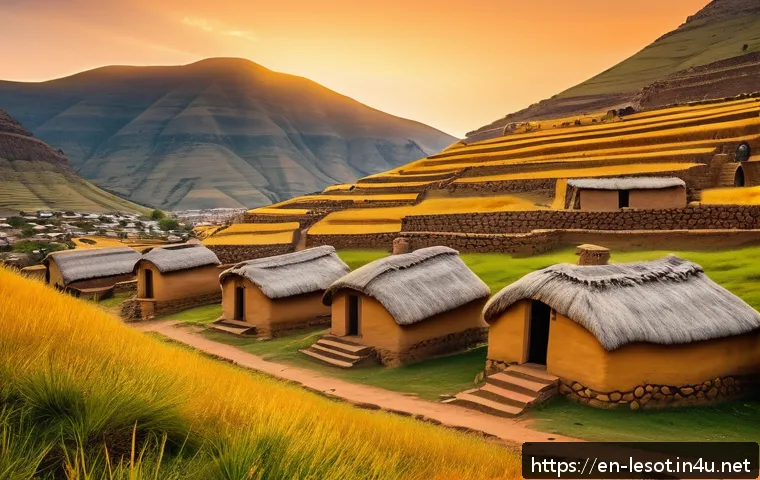
As more travelers seek authentic cultural experiences, Lesotho’s unique Basotho architecture offers a captivating glimpse into mountain living where tradition blends seamlessly with modern innovation.
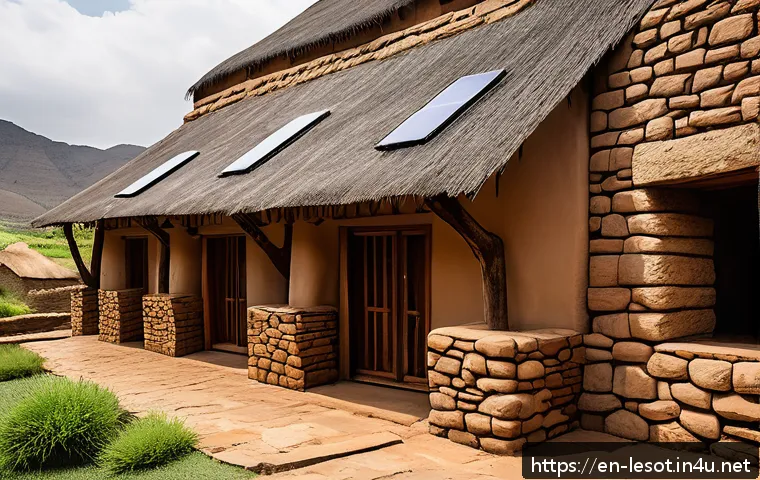
This architectural style, deeply rooted in local heritage, not only tells stories of resilience but also adapts to contemporary needs in stunning ways.
Whether you’re an architecture enthusiast or simply curious about how communities thrive in rugged landscapes, exploring these iconic structures promises fresh insights.
Join me as we uncover how ancient designs meet modern creativity, shaping a lifestyle that’s as inspiring as the majestic mountains themselves. This journey into Basotho architecture is sure to spark your wanderlust and deepen your appreciation for cultural ingenuity.
Harmony of Tradition and Terrain
Mountainous Inspirations in Design
Living high in the Maloti Mountains, the people of Lesotho have developed an architectural style that mirrors the rugged landscape itself. The structures are not merely shelters but extensions of the terrain, designed to withstand harsh winters and strong winds.
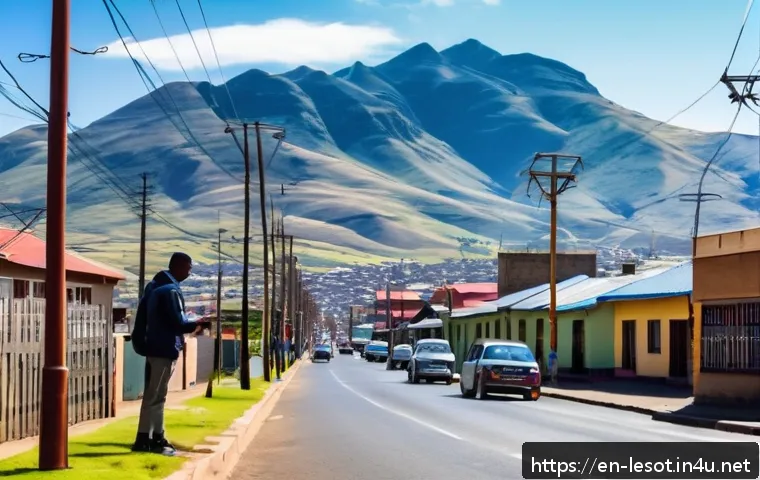
The use of natural stone and mud bricks speaks to a resourcefulness that has been honed over generations. Walking through these villages, you’ll notice how homes hug the slopes, their rounded forms echoing the surrounding hills.
This isn’t just architecture; it’s a physical dialogue between humans and nature, where every curve and material choice reflects mountain resilience.
Symbolism Embedded in Every Detail
What’s fascinating about Basotho architecture is how deeply symbolism is woven into the fabric of each building. The conical roofs, often topped with a distinctive motif resembling a traditional Basotho hat (mokorotlo), are more than aesthetic choices—they’re cultural markers.
These shapes signify protection, community, and identity, serving as visual storytelling tools. Even the patterns carved or painted onto walls often represent local legends or historical events, turning homes into living museums.
For anyone interested in cultural anthropology, this blend of function and meaning offers endless discovery.
Adaptive Strategies for Modern Living
While rooted in tradition, these homes are not stuck in the past. I’ve personally witnessed how modern innovations blend seamlessly with age-old methods to improve comfort and sustainability.
Solar panels discreetly placed on rooftops, insulation techniques using locally available materials, and rainwater harvesting systems all contribute to a smarter, eco-friendly lifestyle.
This adaptive mindset ensures that while the architectural heritage is preserved, the community also embraces contemporary needs, creating a perfect balance between old and new.
Materials That Tell a Story
Locally Sourced and Environmentally Friendly
One of the most striking aspects of Basotho homes is their material authenticity. Builders predominantly use stone, mud, and thatch sourced from the immediate environment.
This not only reduces environmental impact but also ensures buildings harmonize aesthetically with their surroundings. From my experience visiting several Basotho villages, I noticed how the stones are carefully selected for durability and thermal properties, helping regulate indoor temperatures.
The use of these materials fosters a strong sense of place, making every home a unique reflection of its location.
Traditional Craftsmanship Meets Modern Techniques
The construction process is a blend of ancestral craftsmanship and modern practicality. Skilled artisans pass down techniques of stone masonry and thatching, while incorporating contemporary tools that speed up the work without compromising quality.
This hybrid approach is crucial in maintaining the authenticity of the architecture while meeting today’s efficiency standards. I found it inspiring how community involvement is central to construction, with neighbors often coming together in a spirit of cooperation, reinforcing social bonds alongside building homes.
Durability Through Design
Durability isn’t just about materials but also design ingenuity. The thick walls made from compressed earth or stone serve as excellent insulators against the cold mountain air.
Roofs, with their steep pitches, prevent heavy snow accumulation and channel rainwater effectively. This attention to climatic challenges ensures these homes remain comfortable year-round.
During a winter visit, I was struck by how cozy these dwellings felt despite the freezing temperatures outside—a testament to the wisdom embedded in their design.
Community and Cultural Identity Reflected in Architecture
Homes as Social Hubs
In Basotho culture, the home is more than a private space—it’s a center for social life and communal interaction. The open courtyards and shared cooking areas invite neighbors and family to gather, celebrate, and support one another.
I recall attending a local celebration where the architecture itself seemed to facilitate connection, with spaces designed to accommodate group activities and storytelling.
This communal orientation is vital for survival in remote mountain areas and reinforces cultural values of unity and mutual aid.
Preserving Heritage Through Building Practices
The ongoing use of traditional construction techniques is a form of cultural preservation. Many young people are learning these skills from elders, ensuring the continuity of this architectural legacy.
In recent years, there’s been a growing recognition of the value these practices hold, not only culturally but also economically, as tourism interest rises.
I’ve noticed projects where locals collaborate with architects to document and revive ancient methods, making them relevant for future generations while maintaining authenticity.
Visual Identity and Pride
Architecture in Lesotho serves as a proud visual identity marker. The distinctive shapes and decorations are instantly recognizable symbols of Basotho heritage.
Residents take pride in their homes’ appearance, often adding personal touches that reflect family history or achievements. This personal investment in architecture creates vibrant, colorful communities full of life and stories.
From an outsider’s perspective, this pride is contagious and adds depth to the experience of visiting these mountain villages.
Innovations Shaping Sustainable Mountain Living
Integrating Renewable Energy Solutions
One of the most exciting developments I observed is the integration of renewable energy within traditional frameworks. Solar panels are increasingly common, cleverly installed to avoid disrupting the iconic silhouettes of Basotho homes.
This shift not only reduces reliance on imported fuels but also aligns with global sustainability goals. Locals have embraced these technologies enthusiastically, often using solar power for lighting, heating water, and running small appliances, which dramatically improves quality of life without sacrificing cultural integrity.
Water Management in Challenging Terrain
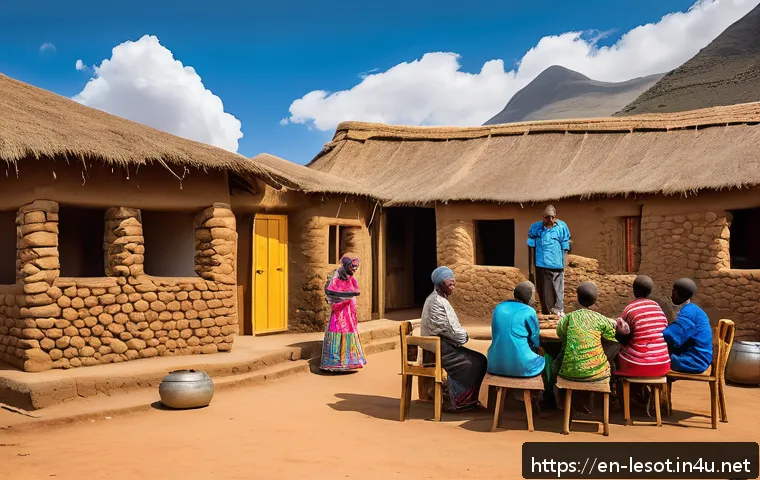
Water scarcity and management are critical challenges in mountainous Lesotho. Ingenious systems for rainwater capture and storage have been adapted to fit traditional homes.
I was impressed by how these systems, often hidden within architectural features, provide reliable water supplies even during dry spells. These innovations demonstrate a deep understanding of local environmental conditions and a commitment to resilience.
They also highlight how modern needs can be met without undermining heritage.
Combining Comfort with Cultural Respect
Modern comforts such as improved insulation, ventilation, and sanitation are thoughtfully incorporated to enhance living standards. What struck me is the care taken to introduce these elements subtly, preserving the aesthetic and cultural significance of the buildings.
This respectful approach ensures that modernization doesn’t erase identity but rather supports a thriving, comfortable lifestyle. For travelers and architecture lovers alike, witnessing this balance is both inspiring and educational.
Architectural Features Compared: Traditional vs. Modern Adaptations
| Feature | Traditional Approach | Modern Adaptation | Benefits |
|---|---|---|---|
| Roof Design | Conical thatched roofs with mokorotlo motifs | Metal or solar-integrated roofs mimicking traditional shapes | Improved durability and energy generation |
| Wall Materials | Stone and mud bricks sourced locally | Reinforced earth blocks with insulation layers | Better thermal regulation and structural strength |
| Water Management | Basic rainwater collection with open channels | Sealed rainwater harvesting tanks with filtration | Reliable, clean water supply year-round |
| Energy Use | Firewood and candles for lighting and heating | Solar panels and LED lighting systems | Cleaner, safer, and more sustainable energy |
| Community Spaces | Open courtyards for gatherings | Multi-purpose communal rooms with modern amenities | Enhanced social interaction with added comfort |
Experiencing the Architecture Firsthand
Walking Through Living History
Nothing compares to stepping into a Basotho village and seeing these architectural marvels up close. The texture of the stone walls, the warm glow from inside homes during evening hours, and the intricate patterns on the roofs all combine to create an immersive experience.
I found that spending time with locals, hearing their stories about the buildings, added layers of meaning that no guidebook could capture. It’s an invitation to connect deeply with a culture shaped by mountain life.
Photographic Opportunities and Inspiration
For photographers and artists, the interplay of light, shadow, and texture offers endless inspiration. Early mornings reveal the soft hues of mud bricks, while sunsets turn the mountains into dramatic backdrops for these unique structures.
I often found myself lingering just to capture the subtle details—the curve of a doorway, the pattern of a thatched roof, or the way smoke curls from a chimney.
These moments reveal the beauty of Basotho architecture beyond its function, elevating it to art.
Tips for Visitors to Engage Respectfully
When exploring these villages, it’s important to approach with respect and curiosity. Engaging with local artisans, asking permission before photographing homes, and supporting community-run tours can enrich your experience while benefiting the locals.
I’ve learned that showing genuine interest in their traditions opens doors to meaningful exchanges and deeper understanding. This respectful approach ensures that tourism supports preservation rather than disruption.
Future Prospects: Balancing Growth and Heritage
Challenges of Modernization
As Lesotho develops, there’s an ongoing tension between modernization and heritage preservation. New construction often favors cheaper, faster methods, risking the loss of traditional styles.
I’ve witnessed debates within communities about how much change is too much, reflecting a universal challenge faced by many indigenous cultures. Maintaining architectural identity while embracing progress requires thoughtful planning and community involvement.
Opportunities for Cultural Tourism
The unique Basotho architecture presents a significant opportunity for sustainable tourism. Visitors drawn by authentic experiences can provide economic support to local artisans and builders.
I’ve seen successful initiatives where tourism revenues are reinvested in preserving traditional skills and maintaining historic sites. This cycle benefits both the community and travelers seeking meaningful connections.
Supporting Local Artisans and Builders
Investing in the training and employment of local craftsmen ensures that knowledge is passed on and that architecture remains vibrant and alive. Programs that combine traditional techniques with modern safety standards empower builders to create homes that meet contemporary expectations while honoring heritage.
From my conversations with community leaders, this approach fosters pride and economic resilience, ensuring the Basotho architectural legacy thrives for generations to come.
Closing Thoughts
Lesotho’s architecture beautifully embodies the harmony between tradition and environment, showcasing resilience and cultural pride. Experiencing these mountain homes reveals a unique blend of history, community spirit, and modern innovation. This living heritage continues to evolve, offering inspiring lessons in sustainable design and cultural preservation.
Helpful Information
1. When visiting, always ask permission before photographing private homes to respect local customs.
2. Supporting community-run tours helps preserve traditional building methods and benefits local artisans.
3. The integration of solar energy and water management systems reflects the community’s commitment to sustainability.
4. Traditional Basotho homes are designed to withstand harsh mountain climates, using locally sourced, eco-friendly materials.
5. Engaging with locals offers deeper insight into the symbolism and social importance of their architectural styles.
Key Takeaways
Lesotho’s mountain architecture is a testament to the enduring relationship between people and their environment, blending ancestral craftsmanship with thoughtful modern adaptations. Its cultural significance is reflected not only in design but also in community life, where homes serve as social hubs fostering unity. Sustainable innovations enhance comfort without compromising identity, ensuring this architectural heritage thrives amid ongoing development challenges. For visitors and enthusiasts, appreciating these nuances deepens understanding and supports preservation efforts.
Frequently Asked Questions (FAQ) 📖
Q: What are the key features that define Basotho architecture in Lesotho?
A: Basotho architecture is distinguished by its unique round huts, called “rondavels,” typically made from locally sourced materials like stone, mud, and thatch.
What really stands out is the conical thatched roof often adorned with symbolic motifs reflecting cultural stories and values. These structures are not only aesthetically pleasing but designed for practicality—offering insulation against the cold mountain climate.
Over time, modern elements like reinforced stone walls and solar panels have been integrated, blending tradition with innovation seamlessly.
Q: How does Basotho architecture reflect the lifestyle and environment of mountain communities?
A: Living in the highlands of Lesotho means adapting to rugged terrain and harsh weather. Basotho architecture embodies this resilience by using materials and designs that withstand cold winters and strong winds.
The compact, circular shape minimizes heat loss, while thick walls provide insulation. These homes foster close-knit family living and communal interaction, reflecting cultural values of togetherness.
Exploring these buildings gives you a real sense of how mountain communities harmonize their daily lives with nature’s challenges.
Q: Can visitors experience Basotho architecture firsthand, and are there tours or cultural sites to explore?
A: Absolutely! Many villages and cultural heritage sites in Lesotho welcome visitors eager to experience Basotho architecture up close. Some tours even offer stays in traditional rondavels, giving travelers a chance to live like locals and appreciate the craftsmanship firsthand.
Guided visits often include explanations of the symbolism behind the designs and how they’ve evolved. If you’re passionate about culture and architecture, these immersive experiences provide a meaningful glimpse into how ancient traditions continue to thrive today.