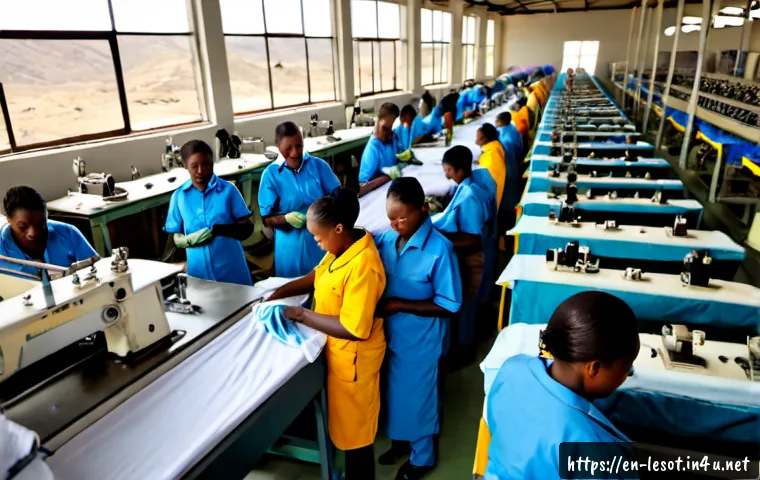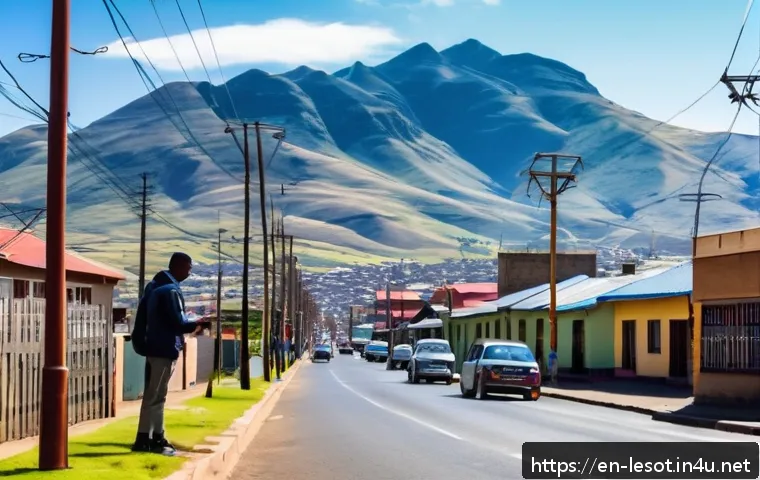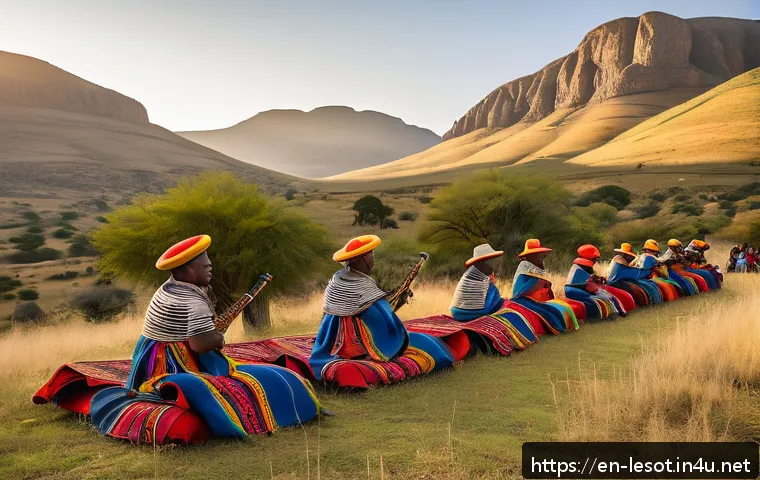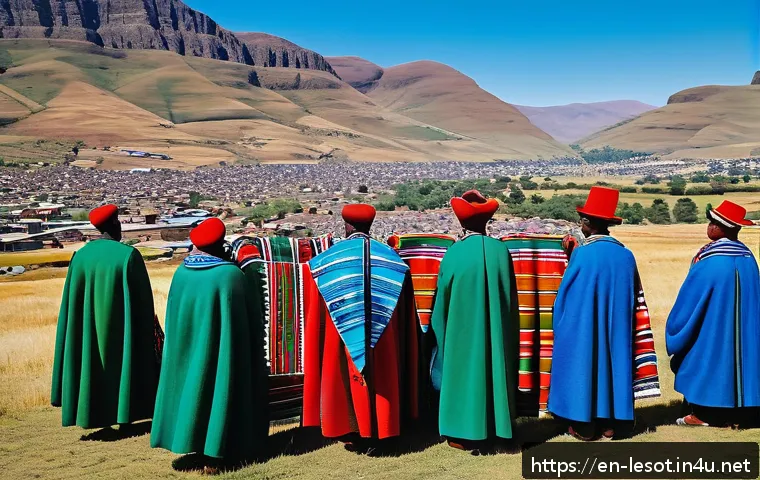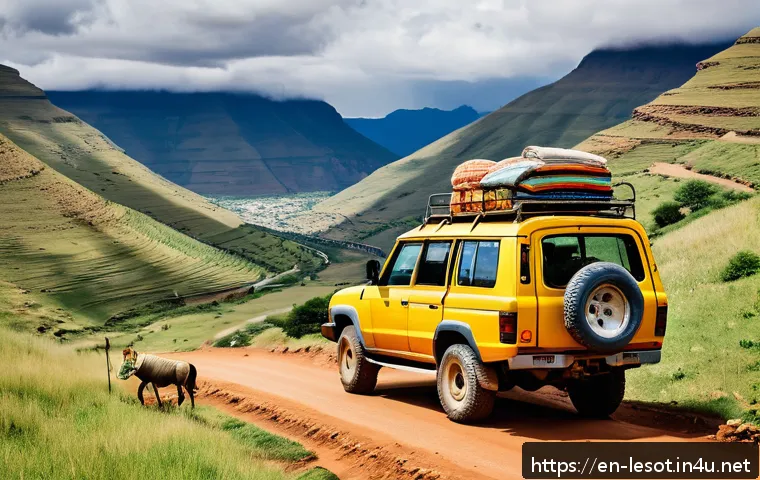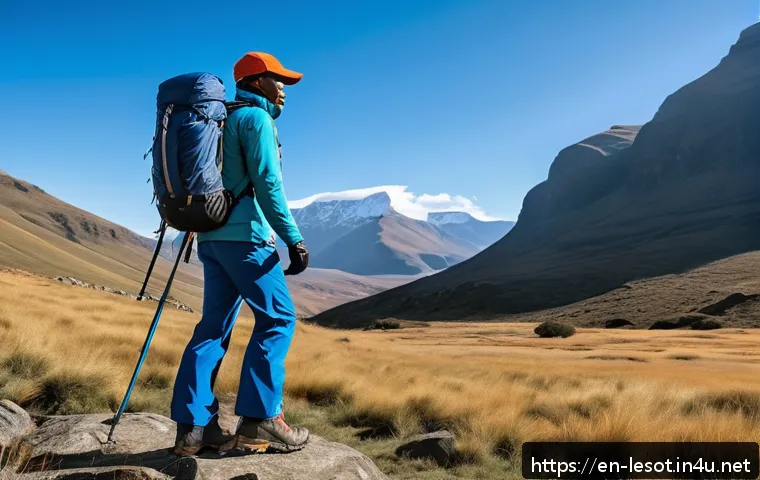
Planning a trip to Lesotho is incredibly exciting, especially as more travelers seek off-the-beaten-path destinations in 2024. With its stunning mountain landscapes and rich cultural heritage, Lesotho offers an adventure like no other.
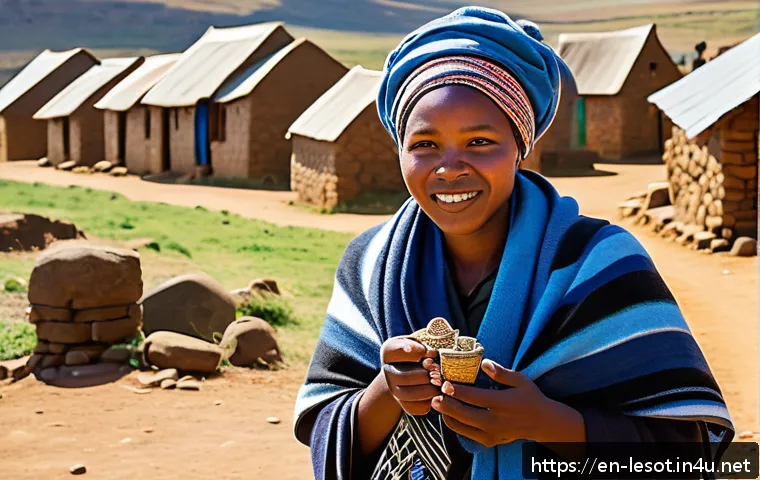
But before you set off, packing the right gear can make all the difference between a smooth journey and unexpected hassles. Whether you’re hiking the Maloti Mountains or exploring local villages, having the essentials on hand ensures comfort and safety.
In this guide, I’ll walk you through what to bring so you can focus on soaking up every moment of your Lesotho adventure without a hitch. Let’s dive into the must-have items that will keep you prepared for whatever comes your way.
Choosing the Right Clothing for Lesotho’s Mountain Climate
Layering for Variable Temperatures
When packing for Lesotho, the key is layering. The mountain climate means mornings can be chilly, but by midday, the sun warms things up considerably.
I always pack a lightweight base layer, a warm fleece or wool mid-layer, and a waterproof outer shell. This combination allowed me to adjust easily throughout the day without overheating or feeling cold.
Synthetic fabrics that wick moisture away worked best, especially when hiking, since cotton tends to hold sweat and make you uncomfortable. Don’t forget a hat and gloves if you’re visiting during the colder months; the wind on the ridges can bite through thinner clothes.
Durability and Comfort for Hiking
Hiking the Maloti Mountains means navigating rocky, uneven terrain, so your clothing needs to be both durable and comfortable. I found that quick-dry hiking pants with reinforced knees were a lifesaver.
Avoid anything too tight or restrictive — you’ll want freedom of movement for climbing and scrambling. On my last trip, I brought along some breathable hiking shirts with UPF protection, which helped tremendously under the strong sun.
Also, a pair of gaiters can prevent dust and small stones from entering your boots, which is a small but significant comfort upgrade.
Traditional Attire and Cultural Respect
While exploring local villages, blending in respectfully can enhance your experience. Many Basotho people wear traditional blankets and hats, and I took the opportunity to learn about their significance.
Bringing a modest outfit that covers shoulders and knees is a good rule of thumb, especially when visiting religious sites or attending community events.
Lightweight scarves or shawls can be handy for this purpose. Plus, having a small gift or token to show appreciation when interacting with locals can foster genuine connections.
Essential Gear for Outdoor Adventures
Footwear That Supports and Protects
Good boots are a non-negotiable for Lesotho’s rugged landscape. I personally recommend waterproof hiking boots with sturdy soles and ankle support. You’ll want something that handles rocky paths and occasional mud without slipping.
Before my trip, I broke in my boots thoroughly, which prevented blisters and discomfort on long treks. Additionally, packing a pair of comfortable sandals or sneakers for downtime in towns helps your feet recover after a day on rough terrain.
Navigation Tools and Safety Equipment
Lesotho’s remote regions can be tricky to navigate, so bringing reliable navigation tools is crucial. I carried a detailed topographic map and a compass as backups to my phone’s GPS, which sometimes lost signal in mountainous areas.
A portable power bank was essential for keeping devices charged during multi-day hikes. For safety, I packed a basic first aid kit including blister treatments, pain relievers, and antiseptic wipes.
Also, a headlamp or flashlight proved useful when camping or walking after dark.
Hydration and Nutrition Essentials
Staying hydrated in Lesotho’s dry mountain air is more important than you might expect. I always brought a reusable water bottle with a built-in filter, which allowed me to refill safely from streams and taps.
For snacks, energy bars, nuts, and dried fruits kept me fueled on the go without weighing down my pack. Planning meals around local markets was also a rewarding way to experience Basotho cuisine while keeping my pack light.
Remember, dehydration and low energy can quickly sap your enjoyment on active days.
Technology and Communication Tools
Staying Connected in Remote Areas
While Lesotho offers stunning isolation, it’s wise to plan for communication needs. I purchased a local SIM card upon arrival for affordable data and calls, which worked well in towns but was patchy in mountainous zones.
A satellite messenger device is a smart investment if you’re venturing deep into the backcountry alone or with limited access to cell towers. This device allowed me to send emergency messages and check in with friends, providing peace of mind without relying solely on mobile networks.
Photography Equipment for Capturing Memories
Lesotho’s dramatic landscapes deserve good photography gear, but pack smartly. I brought a lightweight mirrorless camera with extra batteries and memory cards, which was easier to carry on hikes than bulkier DSLRs.
A sturdy but compact tripod helped with sunrise and sunset shots. Don’t forget lens cleaning cloths—dust and wind can quickly dirty your lenses. If you’re not a photography buff, a high-quality smartphone with manual controls can still capture breathtaking images for sharing with friends and family.
Power Management and Charging Solutions
Electricity access can be limited, especially in rural guesthouses or campsites. I always carried a multi-port USB charger and a solar power bank, which kept my devices running without hunting for outlets.
Check the local plug types beforehand—Lesotho mostly uses British-style Type M plugs, so a universal adapter is essential. For longer trips, consider reducing screen time to conserve battery life, allowing you to enjoy the surroundings more fully without constant charging worries.
Health and Personal Care Must-Haves
Protecting Yourself from the Elements
Sun protection is critical in Lesotho’s high-altitude environment. I packed a broad-spectrum sunscreen with SPF 50+, lip balm with sunblock, and a wide-brimmed hat.
Even on overcast days, UV rays can be strong, so reapplying sunscreen frequently was part of my routine. Insect repellent is also necessary, particularly in warmer months when mosquitoes are more active.
Carrying after-bite cream helped soothe any unexpected bites quickly.
Medication and Hygiene Supplies
Bringing any personal medications and a small travel health kit is a must. I included anti-diarrheal tablets, painkillers, and allergy medication since access to pharmacies outside Maseru is limited.
Biodegradable wet wipes and hand sanitizer were lifesavers for maintaining hygiene on long journeys with limited water. If you wear contact lenses, pack extra solution and glasses as backups.
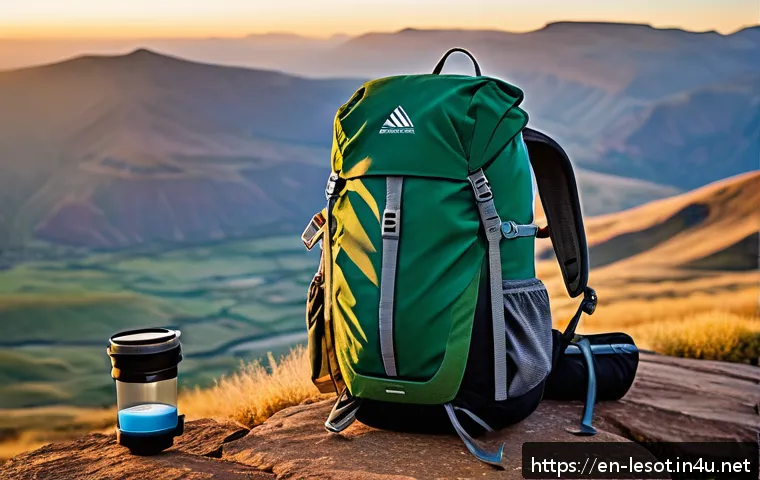
A basic toothbrush and travel toothpaste kit fit easily in my daypack for freshening up after dusty hikes.
Local Health Considerations
Before traveling, I checked recommended vaccinations for Lesotho, including Hepatitis A and Typhoid, which are advisable for travelers. Malaria risk is low in most parts but can exist in some low-lying areas during certain seasons; I took preventive measures just in case.
Drinking bottled or filtered water and avoiding raw street food helped me avoid stomach issues. It’s also smart to know the location of the nearest clinic or hospital in your travel area—just in case.
Packing Smart: Organizing Your Essentials
Choosing the Right Backpack and Bags
A comfortable, well-fitting backpack can make or break your trip. I opted for a 40-liter daypack with padded straps and multiple compartments to keep things organized and accessible.
For longer hikes, a larger pack with a built-in frame was necessary to carry camping gear and extra supplies. Packing cubes helped me separate clothing, toiletries, and electronics, speeding up my daily routine and keeping my bag tidy.
Weight Management and Accessibility
Since you’ll likely be moving between guesthouses, villages, and trails, keeping your pack light is important. I prioritized multi-use items and minimized bulky clothing.
I also arranged frequently used items like sunscreen, water bottle, and snacks in external pockets for quick access without unpacking everything. On one occasion, having my rain jacket easily reachable saved me from getting soaked during an unexpected mountain shower.
Security and Travel Documents
Keeping your valuables safe is crucial in any travel destination. I used a hidden money belt to store my passport, cash, and cards while exploring. A lightweight lock for my backpack gave extra peace of mind during overnight stays.
Digitizing important documents and saving them to a secure cloud account helped me avoid panic in case of loss or theft. Being organized with these essentials meant I could focus on enjoying the trip without unnecessary stress.
Local Customs and Practical Tips for Travelers
Respecting Cultural Norms
Lesotho’s people are incredibly warm and welcoming, but respecting local customs enhances your experience. It’s polite to greet with a handshake and a smile, and asking permission before photographing people is important.
I learned that showing interest in their traditions and language, even with simple phrases, created instant rapport. Dressing modestly and avoiding loud behavior in villages helped me blend in and avoid unwanted attention.
Money and Bargaining Etiquette
The local currency is the Lesotho loti (LSL), which is on par with the South African rand and widely accepted. I carried a mix of cash and cards but found cash essential in rural areas.
When shopping at markets, bargaining is common but should be done respectfully and with a smile. I once got a great deal on handmade crafts simply by engaging in friendly conversation rather than aggressive haggling.
Also, small denominations are helpful since vendors may not have change for larger bills.
Getting Around Safely and Efficiently
Transportation options vary from minibusses to taxis and 4×4 rentals. Roads in mountainous regions can be challenging, so choosing a reliable driver or vehicle is key.
I found that hiring local guides not only improved safety but enriched my understanding of the terrain and culture. Planning your itinerary with realistic travel times in mind prevented stress.
Always carry some water and snacks in case of delays, which are common on less developed routes.
| Item Category | Recommended Items | Why It’s Important |
|---|---|---|
| Clothing | Layered clothing, waterproof jacket, hiking pants | Adapt to changing weather and protect from elements |
| Footwear | Waterproof hiking boots, sandals | Support and comfort on rugged terrain |
| Navigation | Map, compass, GPS, power bank | Stay on track and maintain communication |
| Health | Sunscreen, insect repellent, first aid kit | Protect from sun, bugs, and minor injuries |
| Electronics | Camera, chargers, adapters | Capture memories and keep devices powered |
| Documents & Security | Passport, money belt, document copies | Ensure safety and ease of access to important papers |
Conclusion
Traveling through Lesotho’s mountainous terrain requires thoughtful preparation, especially when it comes to clothing and gear. Adapting to the variable climate with layers and durable equipment ensures both comfort and safety. Embracing local customs and packing smartly will enrich your experience and make your adventure truly memorable.
Helpful Tips
1. Always pack moisture-wicking layers to stay dry and comfortable during hikes.
2. Invest in sturdy, waterproof hiking boots with good ankle support for rugged trails.
3. Carry reliable navigation tools and backup power sources to avoid getting lost or disconnected.
4. Respect local customs by dressing modestly and engaging politely with residents.
5. Stay hydrated and protect yourself from the sun to maintain energy and health throughout your trip.
Key Takeaways
Choosing appropriate clothing and gear tailored to Lesotho’s mountain climate is essential for a successful trip. Prioritize layering, durability, and comfort to handle changing weather and terrain challenges. Safety measures like navigation tools and health supplies can prevent common travel issues. Additionally, understanding and respecting local culture greatly enhances your experience, making your journey not only enjoyable but meaningful as well.
Frequently Asked Questions (FAQ) 📖
Q: uestions about Packing for LesothoQ1: What type of clothing should I pack for a trip to Lesotho?
A: Lesotho’s weather can be quite variable, especially with its high-altitude climate. I recommend layering your clothes—think breathable base layers, warm mid-layers like fleece or wool, and a waterproof outer shell.
During the day, temperatures might be mild, but it can get chilly in the mornings and evenings, especially if you’re hiking in the Maloti Mountains. Also, pack sturdy hiking boots and a hat for sun protection.
From my experience, having versatile clothing that adapts to changing weather saved me a lot of discomfort.
Q: Are there any essential items I should bring for cultural visits to local villages?
A: Absolutely. When visiting local Basotho villages, it’s respectful to dress modestly—long pants or skirts and shirts that cover shoulders are advisable.
Bringing small gifts like school supplies or non-perishable snacks can be a nice gesture, but always ask locals or guides beforehand. Also, a good camera with extra batteries is a must because you’ll want to capture the vibrant culture, but remember to ask permission before photographing people.
I found that engaging respectfully made the experience much more rewarding.
Q: Is it necessary to bring a first aid kit and other health-related supplies?
A: Yes, carrying a basic first aid kit is crucial, especially since some areas in Lesotho are quite remote with limited access to pharmacies or hospitals.
Include items like band-aids, antiseptic wipes, pain relievers, blister treatment, and any personal medications. Mosquito repellent is also important, particularly in warmer months.
From my personal trips, having these supplies on hand gave me peace of mind and helped handle minor issues without interrupting my adventure.