Exploring Lesotho’s rugged landscapes offers an unforgettable adventure for camping and hiking enthusiasts. Nestled high in the Drakensberg Mountains, this small kingdom boasts breathtaking vistas, crystal-clear streams, and unique cultural encounters.

Whether you’re trekking along remote trails or setting up camp under star-studded skies, Lesotho provides a perfect blend of nature and tradition. The serene environment and welcoming locals make every step memorable.
Ready to uncover the best spots and insider tips? Let’s dive deep into all you need to know about camping and hiking in Lesotho!
Discovering Lesotho’s Trail Gems
Hidden Paths That Reward the Adventurous
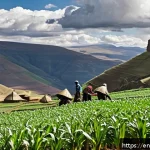
When you think about hiking in Lesotho, the first thing that strikes me is how untouched and raw the trails feel. Unlike more commercialized hiking spots, these paths wind through remote valleys and rugged highlands where you might not see another soul for hours.
One of my favorite hikes was the trek to the Sehlabathebe National Park, where the landscape shifts from grassy slopes to dramatic sandstone cliffs. The sense of isolation here is invigorating, and the views at the summit are absolutely worth every step.
It’s not just about the physical challenge; it’s the peacefulness and connection to nature that stays with you long after the hike ends.
Trail Difficulty and Preparation Tips
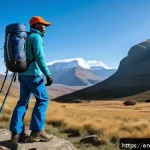
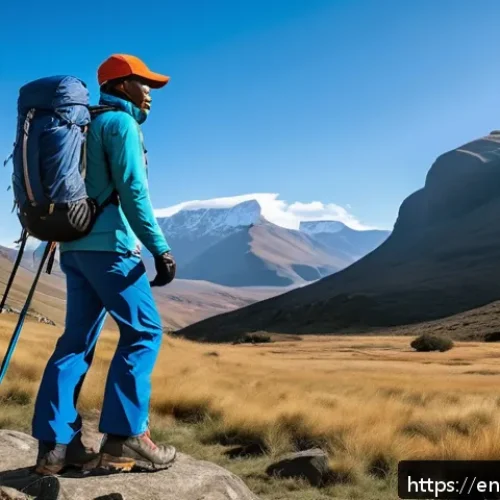
Lesotho’s mountainous terrain means that many trails are steep and can be physically demanding, so it’s crucial to prepare properly. I’ve learned the hard way that sturdy hiking boots and layers of clothing are essential because the weather can change quickly up there.
Also, since cell reception is spotty, carrying a physical map or a GPS device is a must. For those less experienced, some trails around the Maluti Mountains offer gentler inclines and more gradual climbs, which still deliver stunning views without the intense exertion.
Remember to pack plenty of water and snacks; the remoteness means you won’t find shops along the way.
Best Seasons for Hiking
Timing your visit can make a huge difference in your experience. I found that spring (September to November) and autumn (March to May) are the sweet spots for hiking in Lesotho.
During these months, the weather is mild, and the wildflowers bloom spectacularly, adding bursts of color to the otherwise earthy tones of the mountains.
Winter can be brutal with freezing temperatures and snow, while summer brings occasional heavy rains that can make trails slippery and streams harder to cross.
Planning ahead based on the season not only enhances safety but also helps you catch the landscape at its most breathtaking.
Camping Under the Basotho Skies
Choosing Your Campsite Wisely
Camping in Lesotho is an entirely different experience compared to crowded campsites back home. You’ll find that many campsites are tucked away in the highlands, offering panoramic views and a true sense of solitude.
One of the standout spots I stayed at was near the Katse Dam, where the calm water reflects the surrounding peaks, creating a postcard-perfect setting.
When picking a campsite, consider proximity to water sources and shelter from the wind, which can be fierce at night. Also, some sites are within community-run areas, offering a chance to support local initiatives while enjoying your stay.
Essential Gear for Mountain Camping
Based on my camping trips in Lesotho, a four-season tent is a wise investment because nights can get surprisingly cold, even in summer. A warm sleeping bag rated for low temperatures and a good sleeping pad make all the difference for a restful night.
Since electricity is rarely available, bringing a reliable headlamp and extra batteries is essential. Cooking gear should be lightweight but efficient; I’ve found that a compact gas stove and simple cookware work best for preparing meals after a long day of hiking.
Always remember to pack out all your trash—this pristine environment deserves to stay clean.
Engaging with Local Communities
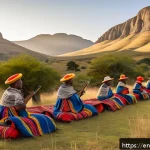
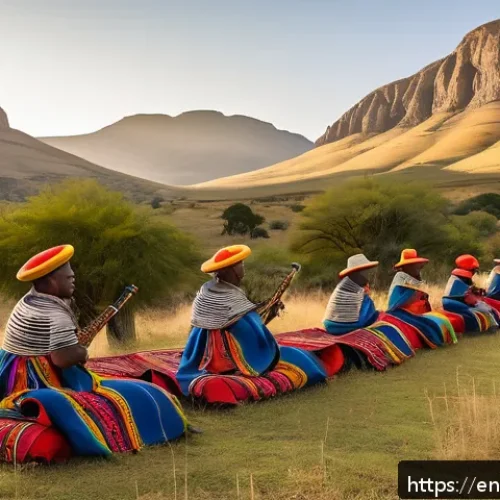
What truly made camping special for me was the chance to interact with the Basotho people. In several campsites, local families welcomed us, sharing stories and traditional dishes like papa (a maize porridge) and moroho (wild spinach).
These encounters enriched my adventure, giving me a deeper appreciation for Lesotho’s culture and warmth. If you’re respectful and open, you might even get invited to a village celebration or a local craft market.
It’s these human connections that transform a simple camping trip into a lifelong memory.
Essential Packing List for Lesotho Adventures
Clothing and Footwear
Layering is key—think thermal base layers, fleece mid-layers, and waterproof outer shells. Durable hiking boots with good ankle support are non-negotiable.
Don’t forget a hat and gloves for chilly mornings and evenings.
Navigation and Safety
Carry a detailed map of the region, a compass or GPS, and a fully charged phone with offline maps. A first aid kit tailored for mountain hiking and insect repellent should be in your pack.
Camping and Cooking Supplies
Bring a lightweight four-season tent, a sleeping bag rated to at least -5°C (23°F), and a portable stove with fuel. Pack reusable utensils and containers to minimize waste.
| Item | Purpose | Recommended Specs |
|---|---|---|
| Hiking Boots | Protect feet and provide traction on rocky trails | Waterproof, ankle support, Vibram soles |
| Four-Season Tent | Shelter against cold winds and possible snow | Lightweight, durable, easy setup |
| Sleeping Bag | Warmth during cold mountain nights | Rated to -5°C or lower |
| Navigation Tools | Trail finding and safety | Map, compass, GPS with offline maps |
| Cooking Stove | Prepare hot meals and drinks | Compact gas stove with fuel canisters |
| Clothing Layers | Adapt to changing weather conditions | Moisture-wicking base, insulating mid, waterproof outer |
Wildlife and Natural Wonders to Watch For
Birdwatching Highlights
Lesotho is a birdwatcher’s paradise with species like the Bearded Vulture soaring overhead and the Maluti Pipit flitting among the grasses. I was amazed by the sheer number of birds I spotted during early morning hikes.
Bringing binoculars and a bird guide can turn your trek into an exciting wildlife safari.

Unique Flora of the Highlands
The alpine environment supports rare plants such as the Spiral Aloe and various endemic wildflowers. I was fascinated by how these plants have adapted to survive the harsh climate, often clinging to rocky outcrops or thriving in nutrient-poor soil.
Exploring the botany of Lesotho adds an extra layer of appreciation to the natural beauty.
Spotting Mountain Mammals
While hiking, keep an eye out for the elusive mountain reedbuck or the nimble klipspringer goat. Their cautious movements and ability to navigate steep slopes amazed me.
Though shy, these animals often reveal themselves if you move quietly and patiently.
Respecting Lesotho’s Environment and Culture
Leave No Trace Principles
One thing I took to heart was practicing Leave No Trace. Lesotho’s fragile mountain ecosystems can be easily damaged by careless campers and hikers. Always pack out what you bring in, avoid disturbing wildlife, and stick to established trails to minimize erosion.
This respect helps preserve the landscape for future adventurers.
Understanding Local Customs
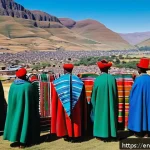
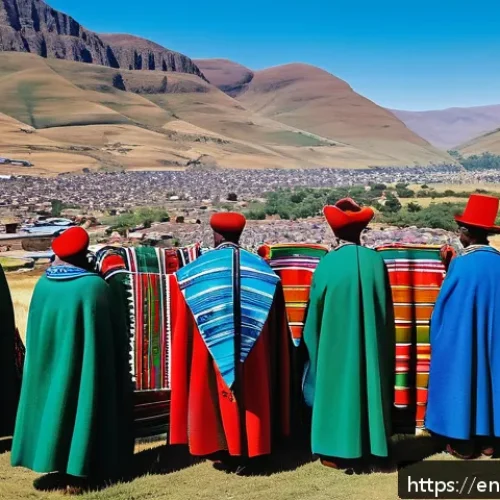
The Basotho people have rich traditions and a strong connection to their land. When visiting villages or interacting with locals, it’s important to dress modestly, ask permission before taking photos, and show genuine interest in their culture.
I found that a friendly smile and a few words in Sesotho go a long way in building trust and friendship.
Supporting Sustainable Tourism
Choosing community-run campsites and hiring local guides not only enriches your experience but also benefits the local economy. On my trip, I felt proud knowing that my money helped fund education and conservation projects.
Sustainable tourism ensures that Lesotho’s natural and cultural treasures remain vibrant and protected.
Practical Travel Tips for Getting Around Lesotho
Transportation Options
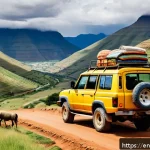
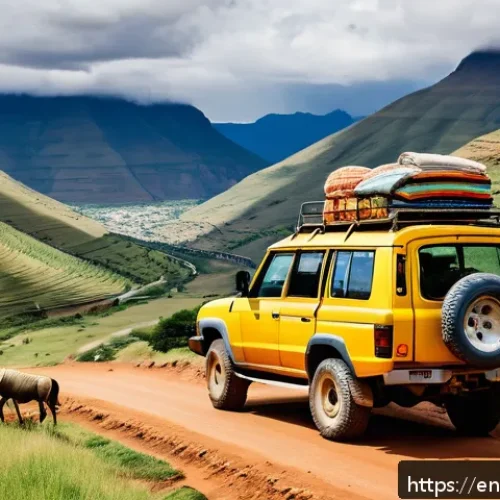
Getting to and around Lesotho requires some planning. Public transport is limited, so renting a 4×4 vehicle is often the best way to explore remote areas.
I rented a sturdy SUV, which handled the rough mountain roads like a champ. For shorter distances, local taxis and minibusses offer affordable rides but can be unpredictable in schedule.
Permits and Entry Requirements
Most hiking and camping areas don’t require special permits, but it’s wise to check in advance if you plan to enter protected parks like Sehlabathebe.
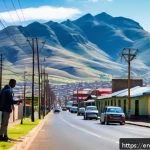
Lesotho requires a valid passport for entry, and visa policies depend on your nationality. I found the border crossings straightforward, with friendly officials who appreciated travelers respecting their rules.
Local Accommodation Alternatives
Besides camping, Lesotho offers charming guesthouses and mountain lodges that provide a cozy bed and warm meals after a day outdoors. Staying with a local family through homestays is an incredible way to experience authentic Basotho hospitality.
I can’t recommend enough trying both camping and local lodging to get a full spectrum of the Lesotho experience.
Wrapping Up
Exploring Lesotho’s trails and mountains offers an unforgettable adventure filled with breathtaking scenery and rich cultural experiences. Whether hiking remote paths or camping under the stars, this unique destination invites you to connect deeply with nature and the warm Basotho community. With thoughtful preparation and respect for the environment, your journey through Lesotho can become a cherished memory that lasts a lifetime.
Useful Tips to Keep in Mind
1. Always pack layered clothing and sturdy hiking boots to handle Lesotho’s unpredictable mountain weather.
2. Carry reliable navigation tools like maps and GPS devices due to limited cell coverage in remote areas.
3. Choose your camping spot carefully, prioritizing shelter from wind and access to water sources.
4. Engage respectfully with local communities to enrich your travel experience and support sustainable tourism.
5. Plan your visit during spring or autumn for the best weather and vibrant natural displays.
Key Takeaways for a Successful Trip
Lesotho’s rugged terrain demands good physical preparation and the right gear to ensure safety and comfort. Respecting local customs and environmental guidelines not only preserves the landscape but also fosters meaningful connections with the Basotho people. Opting for community-run accommodations and guides enhances your adventure while benefiting the local economy. Lastly, thoughtful planning regarding transportation and permits will make your journey smoother and more enjoyable.
Frequently Asked Questions (FAQ) 📖
Q: What is the best time of year to go camping and hiking in Lesotho?
A: From my experience, the ideal time to explore Lesotho’s rugged landscapes is during the spring and autumn months, roughly between September to November and March to May.
During these periods, the weather is pleasantly mild, avoiding the scorching summer heat and the harsh winter cold that can bring snow at higher elevations.
Plus, the trails are less muddy, and the skies are usually clear, making your hiking and camping experience much more enjoyable. I’ve found that visiting in these months also means fewer tourists, so you get a more peaceful, authentic adventure.
Q: Are there any safety concerns or special preparations needed for hiking in Lesotho?
A: Absolutely, safety is key when trekking through Lesotho’s mountainous terrain. First off, the weather can change rapidly, so packing layers and waterproof gear is essential.
I always recommend letting someone know your itinerary because some trails are quite remote and cell service can be spotty. Hiring a local guide is also a great idea—not only do they know the safest routes, but they enrich your trip with cultural insights.
Lastly, be prepared for altitude; some hikes reach over 3,000 meters, so take it slow, stay hydrated, and listen to your body.
Q: What camping facilities or accommodations are available for hikers in Lesotho?
A: While Lesotho is still developing its tourism infrastructure, you can find a mix of basic campsites and charming lodges, especially near popular hiking areas like the Maluti Mountains.
When I camped there, I often stayed at community-run campsites that offer clean, simple facilities and a chance to connect with locals. If you prefer a bit more comfort after a long day on the trail, some guesthouses and mountain lodges provide cozy rooms and hearty meals.
Just keep in mind that booking in advance is wise during peak seasons, as options can be limited.