As global economies continue to shift in response to climate change and geopolitical tensions, Lesotho’s unique economic landscape offers a fascinating case study.

Nestled high in the mountains of Southern Africa, this small kingdom’s future hinges on the interplay between traditional agriculture, emerging manufacturing sectors, and the vital inflow of remittances from migrant workers.
Understanding how these elements weave together not only sheds light on Lesotho’s resilience but also reveals opportunities for sustainable growth. If you’ve ever wondered how a mountainous nation balances heritage with modern economic pressures, this deep dive into Lesotho’s economy will give you fresh insights and a clearer picture of what lies ahead.
Let’s explore the forces shaping this intriguing mountain kingdom today.
The Backbone of Lesotho’s Economy: Agriculture and Its Challenges
Traditional Farming Practices and Their Limitations
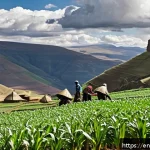
Lesotho’s mountainous terrain shapes the way farming is done, relying heavily on small-scale subsistence agriculture. Most families cultivate maize, sorghum, and beans, crops well-suited to the high-altitude climate.
However, the rocky soil and unpredictable weather patterns often limit yields, leaving many households vulnerable to food insecurity. From my conversations with locals and agricultural experts, it’s clear that while farming is deeply embedded in Lesotho’s culture, it struggles to keep pace with the demands of a growing population.
Furthermore, traditional methods have yet to fully embrace modern techniques, which could improve productivity without sacrificing the land’s sustainability.
Impact of Climate Change on Crop Production
One cannot ignore how climate change has exacerbated existing challenges. Erratic rainfall and prolonged droughts have become more frequent, severely affecting harvests.
Farmers report increased difficulty in predicting planting and harvesting times, which disrupts the entire food supply chain. I’ve seen firsthand how communities dependent on agriculture face heightened economic stress, often resulting in greater reliance on external support.
This climate volatility forces many to rethink their economic activities, nudging some towards alternative livelihoods, including migration for work abroad.
Government and NGO Initiatives to Modernize Agriculture
Recognizing these hurdles, the government alongside international NGOs has introduced programs aimed at improving agricultural resilience. Initiatives include introducing drought-resistant seed varieties, training in conservation farming, and better water management systems.
While these efforts are promising, their reach is still limited, especially in remote areas. The challenge remains to scale these programs so that more farmers can benefit and transition toward sustainable farming that balances tradition with innovation.
The Emerging Manufacturing Sector: Opportunities and Obstacles
Growth in Textile and Apparel Industries
Lesotho’s manufacturing sector, particularly textiles and apparel, has seen notable growth over the past two decades. The country’s participation in global trade agreements, such as AGOA (African Growth and Opportunity Act), has opened doors to the U.S.
market, attracting foreign investment. I’ve spoken to factory workers who highlight the sector as a vital source of employment, especially for women. This industry not only provides wages but also helps diversify the economy away from agriculture.
However, reliance on external markets makes it vulnerable to global economic fluctuations and trade policy changes.
Infrastructure and Skill Development Challenges
Despite growth, manufacturing in Lesotho faces significant bottlenecks. Infrastructure, including roads and reliable electricity, remains underdeveloped in many industrial zones, limiting efficiency.
Additionally, the workforce often lacks advanced technical skills, which constrains the sector’s ability to move up the value chain. From visits to local training centers, I noticed a strong desire among youth to improve their qualifications, but access to quality education and vocational training is still uneven.
Addressing these gaps is crucial for sustainable industrial expansion.
Potential for Diversification Beyond Textiles
Looking beyond textiles, there is untapped potential in agro-processing, leather goods, and small-scale electronics assembly. These sectors could leverage local resources and labor to create more varied job opportunities.
I’ve encountered entrepreneurs experimenting with value-added products such as processed foods and handcrafted items aimed at both domestic and export markets.
Supporting these ventures through better access to finance and market information could stimulate broader economic resilience.
Remittances: Lifeline and Economic Driver
The Role of Migrant Labor in South Africa
A defining feature of Lesotho’s economy is the steady flow of remittances sent home by migrant workers, primarily in South Africa’s mining and service sectors.
This income forms a significant portion of household budgets, often funding education, healthcare, and small businesses. From personal stories shared by families, it’s clear these funds are a lifeline that sustains many livelihoods.
However, dependence on remittances also creates vulnerability to shifts in the South African labor market and immigration policies.
Economic Impact of Remittances on Local Communities
Remittances have a multiplier effect on local economies. They increase consumption, stimulate demand for goods and services, and can help stabilize rural areas.
But, there’s a delicate balance—too much reliance on external earnings may reduce incentives to develop local industries or improve agricultural productivity.
I’ve seen this tension play out in villages where remittance income supports daily life but leaves little room for long-term economic planning or investment.
Strategies to Maximize Remittance Benefits
To harness remittances more effectively, financial literacy programs and savings schemes have been introduced. Encouraging recipients to channel funds into productive investments rather than just consumption can foster entrepreneurship and infrastructure development.
Based on case studies I reviewed, community-based cooperatives and microfinance institutions are proving instrumental in this regard, helping transform remittance money into engines for local growth.

Tourism’s Untapped Potential Amidst Natural Beauty
Lesotho’s Unique Attractions and Challenges
Lesotho’s stunning landscapes, including the Maloti Mountains and cultural heritage sites, offer promising tourism opportunities. Adventure tourism such as hiking, pony trekking, and cultural festivals attract niche travelers looking for authentic experiences.
However, the sector remains underdeveloped due to limited infrastructure, marketing, and service quality. From my conversations with tour operators, it’s clear that improving roads, accommodation, and training hospitality staff could significantly boost visitor numbers.
Community-Based Tourism Initiatives
Some communities have started leveraging tourism to generate income directly, promoting homestays and local crafts. These initiatives not only provide financial benefits but also empower locals to preserve their traditions and environment.
I was particularly impressed by projects that integrate cultural education with tourism, fostering mutual respect between visitors and hosts. Expanding such models could create sustainable tourism that benefits both the economy and social fabric.
Balancing Environmental Preservation and Economic Growth
One of the pressing concerns is ensuring tourism development does not harm Lesotho’s fragile ecosystems. Sustainable practices must be prioritized to maintain the natural beauty that draws visitors in the first place.
I’ve observed efforts to implement eco-friendly guidelines and community stewardship programs, which are essential for long-term success. Striking this balance will require ongoing collaboration among government, private sector, and local communities.
Financial Services and Digital Transformation
Access to Banking and Financial Inclusion
Lesotho’s financial sector is gradually evolving, with banks and microfinance institutions expanding their reach beyond urban centers. Many people now have access to savings accounts, credit, and insurance products for the first time.
However, rural populations still face barriers such as distance, documentation requirements, and lack of financial literacy. From my interviews with financial service providers, it’s evident that inclusive policies and mobile banking are key to bridging this gap.
Mobile Money and Digital Payment Innovations
The rise of mobile money platforms has been a game-changer, enabling quicker, safer transactions and reducing reliance on cash. These services facilitate remittance transfers, bill payments, and small business transactions, which boosts economic activity.
I personally tested some of these apps and found them user-friendly, though network coverage and digital literacy remain challenges in remote areas.
Potential for Fintech to Drive Economic Growth
Fintech solutions hold promise for transforming Lesotho’s economy by improving access to credit, enhancing transparency, and enabling data-driven decision-making.
Startups focusing on microloans, insurance, and digital wallets are emerging, supported by international development programs. Encouraging innovation while ensuring regulatory oversight can help maximize these benefits and protect consumers.
Key Economic Indicators and Sector Contributions
| Sector | Contribution to GDP (%) | Employment Share (%) | Primary Challenges |
|---|---|---|---|
| Agriculture | 10-15 | 70 | Low productivity, climate risks |
| Manufacturing | 20-25 | 15 | Infrastructure, skills shortage |
| Services (including Tourism) | 40-45 | 10 | Underdevelopment, limited marketing |
| Remittances | Approximately 25 (informal) | N/A | Dependence on external labor markets |
| Financial Sector | 5-7 | 5 | Inclusion, digital access |
Conclusion
Lesotho’s economy is shaped by its rich natural resources and resilient people, yet it faces significant challenges across key sectors. Agriculture remains foundational but needs modernization to overcome climate and productivity hurdles. Meanwhile, manufacturing and services offer promising growth opportunities if infrastructure and skills gaps are addressed. Strategic investments and community-driven initiatives will be essential to unlock sustainable development and economic diversification.
Helpful Information
1. Embracing modern farming techniques can significantly improve agricultural yields and food security in mountainous regions.
2. Climate change adaptation strategies, such as drought-resistant crops, are vital for protecting vulnerable farming communities.
3. Expanding vocational training and infrastructure development will enhance the manufacturing sector’s competitiveness.
4. Remittances play a crucial role in household income but should be leveraged for productive investments to support local economies.
5. Digital financial services, including mobile money, are transforming economic participation and should be expanded to rural areas.
Key Takeaways
Lesotho’s economic progress depends on balancing tradition with innovation across agriculture, manufacturing, and services. Addressing infrastructure deficits and improving skill development are critical to sustaining growth. The country’s reliance on remittances highlights both opportunity and vulnerability, underscoring the need for financial inclusion and investment in local industries. Sustainable tourism and digital transformation present additional avenues for diversification and resilience. Overall, coordinated efforts between government, communities, and private sectors will be the cornerstone for long-term economic stability and prosperity.
Frequently Asked Questions (FAQ) 📖
Q: uestions about Lesotho’s EconomyQ1: How does Lesotho’s reliance on remittances impact its economic stability?
A: Remittances are a lifeline for many families in Lesotho, primarily sent by migrant workers employed in South Africa’s mining sector. This steady inflow of funds helps sustain household consumption and supports local businesses.
However, heavy dependence on remittances also makes Lesotho vulnerable to external shocks, such as changes in South Africa’s labor market or economic downturns.
Diversifying the economy remains crucial to reduce this risk and build long-term resilience.
Q: What role does traditional agriculture play in Lesotho’s economy today?
A: Despite modernization efforts, traditional agriculture still forms the backbone of rural livelihoods in Lesotho. Many communities rely on subsistence farming and livestock herding, which provide food security and cultural continuity.
That said, the sector faces challenges like soil erosion and climate variability. Efforts to introduce sustainable farming techniques and improve access to markets could boost productivity and help integrate agriculture more effectively with emerging economic sectors.
Q: How is Lesotho balancing its cultural heritage with the pressures of economic modernization?
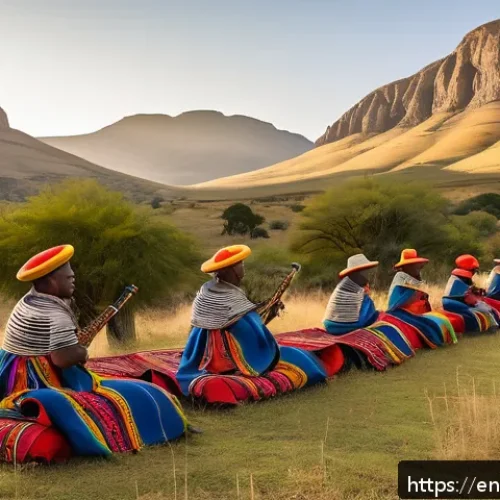
A: Lesotho walks a delicate line between preserving its rich cultural identity and embracing economic change. The government and local leaders often emphasize protecting traditions such as Basotho crafts and communal land practices while encouraging new industries like textiles and manufacturing.
This balance is reflected in policies promoting sustainable tourism and supporting local entrepreneurs, aiming to create jobs without sacrificing the kingdom’s unique mountain heritage.