Inside Lesotho’s Political Landscape Exploring Key Parties and Governance Dynamics

webmaster

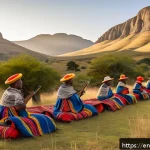
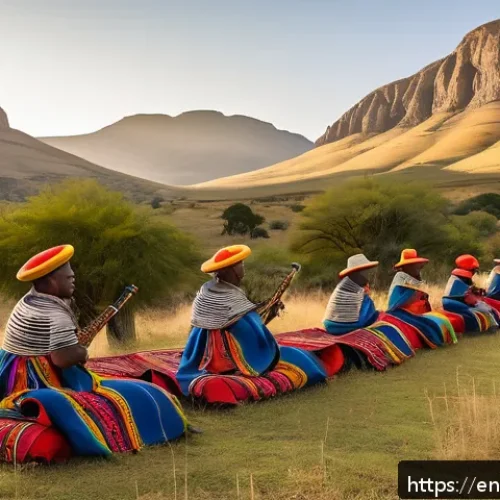
레소토 정치 구조와 정당 - A detailed, vibrant scene depicting the constitutional monarchy of Lesotho: the King dressed in trad...

Lesotho’s political scene has recently captured global attention with shifting alliances and emerging challenges that shape the nation’s future. Understanding the key parties and governance dynamics here is essential for grasping how Lesotho navigates its complex political landscape.

레소토 정치 구조와 정당 관련 이미지 1

Whether you’re curious about regional stability or the impact on everyday life, diving into these developments offers valuable insights. Join me as we unravel the forces driving change in Lesotho’s government, revealing what lies ahead for this mountainous kingdom.

This exploration promises to deepen your knowledge and keep you informed on a topic that’s both timely and crucial.

Political Power and Governance Structures in Lesotho

Constitutional Monarchy and Its Role

Lesotho operates as a constitutional monarchy, where the King serves primarily as a ceremonial figurehead while the real political power resides with elected officials.

The King’s duties include symbolizing national unity and performing traditional ceremonies that resonate deeply with Basotho culture. Although the monarchy does not intervene directly in day-to-day governance, its influence on national identity and social cohesion cannot be overstated.

This balance between tradition and modern governance creates a unique dynamic, especially as political parties navigate their agendas within this framework.

Parliamentary System and Executive Authority

The executive branch is headed by the Prime Minister, who holds the majority of governmental authority. This position is pivotal because the Prime Minister leads the Cabinet, implements policies, and directs the country’s administrative functions.

Lesotho’s Parliament is bicameral, composed of the National Assembly and the Senate. The National Assembly, elected by popular vote, wields legislative power, whereas the Senate primarily functions as an advisory body with members appointed based on traditional leadership and political appointments.

Understanding this separation is crucial, as it shapes how laws are debated, passed, and enforced amid the country’s evolving political landscape.

Judiciary and Checks on Power

A vital component of Lesotho’s political structure is its judiciary, which functions independently to uphold the constitution and protect citizens’ rights.

Courts can challenge executive decisions and legislation if they conflict with constitutional principles. This judicial oversight has grown increasingly significant during times of political instability, where ensuring the rule of law becomes paramount.

The Supreme Court and High Court serve as the highest legal authorities, resolving disputes that often have political ramifications, thereby contributing to governance stability.

Advertisement

Key Political Parties and Their Influence

Democratic Congress and Its Legacy

The Democratic Congress (DC) remains one of the dominant political forces in Lesotho, largely due to its historical roots and widespread support among urban voters.

Its platform often focuses on economic development, social welfare, and anti-corruption measures. Having been in power multiple times, DC’s leadership style and policy priorities have shaped much of the country’s recent political discourse.

However, internal factionalism and competition with emerging parties have challenged its cohesion, making its future trajectory less predictable.

All Basotho Convention’s Reform Agenda

The All Basotho Convention (ABC) has carved out a reputation as a reformist party, often positioning itself against established political norms. It champions transparency, infrastructural modernization, and stronger governance frameworks.

The ABC’s rise has been marked by several coalition governments, reflecting the fragmented nature of Lesotho’s political environment. Its ability to negotiate and maintain alliances is a key factor in the country’s political stability or volatility.

Emerging Parties and Coalition Dynamics

Newer parties such as the Alliance of Democrats and the Lesotho Congress for Democracy have introduced fresh perspectives and complicated the traditional two-party dominance.

Coalition-building has become a necessity rather than an option in Lesotho’s multiparty system. These coalitions often involve complex negotiations, balancing diverse interests and ethnic considerations.

The fluid nature of these alliances influences policy-making, sometimes leading to government reshuffles and snap elections, which affect national governance continuity.

Advertisement

Impact of Political Shifts on National Stability

Frequent Government Changes and Their Consequences

Lesotho’s political scene has been marked by frequent changes in government, often triggered by votes of no confidence and coalition breakdowns. This instability hampers long-term planning and weakens public trust in political institutions.

For ordinary citizens, it translates into uncertainty over policy direction and delays in service delivery. Despite efforts to stabilize governance through constitutional reforms, the challenge remains significant, especially when external influences and internal power struggles intersect.

Security Concerns and Regional Implications

Political instability in Lesotho also raises concerns about national security and the country’s relationship with neighboring South Africa. Military involvement in politics has historically been a destabilizing factor, prompting regional organizations like the Southern African Development Community (SADC) to intervene diplomatically.

These interventions aim to mediate disputes and support peaceful democratic processes, underlining how Lesotho’s political health is not only a domestic issue but one with broader regional consequences.

Social and Economic Ramifications

Shifts in political power impact economic policies, foreign investment, and social programs. Interruptions in governance often stall development projects and exacerbate poverty and unemployment issues.

Social unrest can arise from perceived governmental inefficiency or corruption, further complicating the political landscape. Conversely, stable governments tend to attract more international aid and private sector confidence, highlighting the tight link between political steadiness and socioeconomic progress.

Advertisement

Electoral System and Voting Patterns

Mixed Member Proportional Representation Explained

Lesotho employs a mixed member proportional (MMP) electoral system, combining first-past-the-post and proportional representation methods. This hybrid model aims to balance constituency representation with overall party proportionality, ensuring smaller parties have a voice in Parliament.

While this system promotes inclusiveness, it also results in fragmented parliaments where coalition governments are the norm. Understanding how votes translate into seats offers insight into the strategic behaviors of parties and voters alike.

Voter Behavior and Regional Variations

Voting patterns in Lesotho often reflect regional, ethnic, and socioeconomic divides. Urban areas tend to support parties like the Democratic Congress, while rural constituencies may favor traditional leadership-aligned parties.

Voter turnout fluctuates depending on political climate and public sentiment towards incumbents. These dynamics influence campaign strategies and party platforms, with candidates tailoring messages to resonate with diverse communities.

Challenges in Electoral Integrity

Despite generally peaceful elections, Lesotho has faced challenges such as allegations of vote-buying, intimidation, and logistical issues. Electoral commissions strive to improve transparency and fairness, yet controversies occasionally mar the process.

Enhancing electoral integrity is critical to building citizen confidence and reducing political tensions, especially in a country where narrow election results can shift power balances dramatically.

Advertisement

Role of Traditional Leadership in Modern Politics

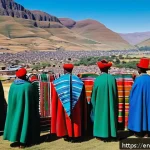
레소토 정치 구조와 정당 관련 이미지 2

Chiefs and Their Political Influence

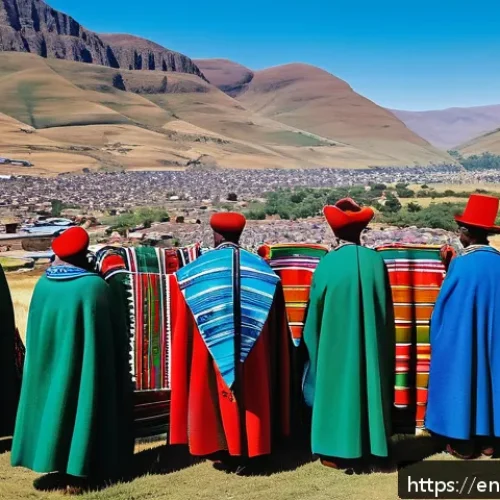
Traditional chiefs hold significant sway in Lesotho’s social and political spheres. They act as intermediaries between the government and rural communities, often influencing local governance and dispute resolution.

Chiefs’ endorsement can be pivotal during elections, as they command respect and loyalty among their subjects. Balancing their customary authority with democratic governance remains a delicate task, sometimes leading to conflicts over jurisdiction and authority.

Integration of Customary Law with National Legislation

Lesotho’s legal system incorporates customary laws alongside formal statutes, creating a dual framework that governs various aspects of life. This integration respects cultural heritage but also poses challenges in harmonizing traditional practices with constitutional rights, especially concerning gender equality and human rights.

Efforts to modernize legal frameworks involve consultations with chiefs and community leaders to ensure culturally sensitive yet progressive reforms.

Traditional Institutions as Stabilizing Forces

In times of political turmoil, traditional institutions can act as stabilizers by fostering dialogue and reconciliation. Their role in community cohesion helps mitigate conflicts and supports grassroots peacebuilding initiatives.

However, their influence depends on maintaining legitimacy and adapting to evolving political contexts. This adaptability is essential for sustaining Lesotho’s democratic processes while honoring its cultural identity.

Advertisement

Lesotho’s Foreign Relations and Political Strategy

Relations with South Africa and Regional Partners

Lesotho’s geographical enclave within South Africa shapes much of its foreign policy. Economic dependence and labor migration tie the two countries closely, making bilateral relations crucial.

Lesotho often relies on South Africa for trade, security cooperation, and diplomatic mediation during political crises. Regional organizations like SADC also play key roles in supporting democratic governance and conflict resolution in Lesotho, emphasizing a multilateral approach to stability.

International Aid and Development Partnerships

Foreign aid constitutes a significant portion of Lesotho’s budget, with donors prioritizing health, education, and infrastructure projects. Political stability directly influences aid flows, as international partners prefer predictable environments for investment.

Lesotho’s government must balance donor expectations with national priorities, navigating complex negotiations to maximize benefits while preserving sovereignty.

Strategic Political Messaging on the Global Stage

Lesotho’s political leaders increasingly engage in international forums to attract investment and highlight development achievements. Crafting a positive image is vital for securing partnerships and enhancing the country’s voice in regional affairs.

This global outreach reflects a growing awareness of the interconnectedness between domestic politics and international perceptions.

Advertisement

Political Challenges and Prospects for Reform

Addressing Corruption and Governance Weaknesses

Corruption remains a persistent issue that undermines public trust and hampers effective governance. Efforts to strengthen institutions, promote transparency, and enforce accountability have seen mixed results.

Political will and civil society engagement are critical in advancing reforms that can curtail corrupt practices and improve service delivery, fostering a more resilient political system.

Constitutional Reforms and Political Stability

Reform initiatives aim to clarify power-sharing arrangements, reduce political fragmentation, and enhance electoral processes. Proposals include adjusting the balance between executive and legislative powers and improving mechanisms for coalition governance.

These reforms seek to create a more stable political environment conducive to sustainable development and social harmony.

Youth Engagement and Future Leadership

The involvement of young people in politics is growing, driven by demands for change and better opportunities. Youth movements and new political actors challenge traditional elites, bringing fresh perspectives to national debates.

Encouraging meaningful participation of younger generations is vital for renewing Lesotho’s political landscape and ensuring long-term democratic vitality.

Political Party Founding Year Main Support Base Key Policy Focus Recent Role
Democratic Congress (DC) 2012 Urban voters, working class Economic development, social welfare, anti-corruption Majority party in coalition governments
All Basotho Convention (ABC) 2006 Reform-minded urban and rural voters Transparency, infrastructure, governance reforms Leading coalition partner, reform agenda
Alliance of Democrats (AD) 2016 Young voters, emerging urban communities Good governance, youth empowerment Coalition member, rising influence
Lesotho Congress for Democracy (LCD) 1997 Traditional rural constituencies Social stability, traditional values Support base for coalition governments
Advertisement

In Conclusion

Lesotho’s political landscape is a complex interplay between tradition and modern governance, marked by a constitutional monarchy, active political parties, and evolving democratic institutions. Despite challenges like frequent government changes and corruption, ongoing reforms and youth engagement offer hope for greater stability. Understanding these dynamics is key to appreciating Lesotho’s journey toward sustainable development and political maturity.

Advertisement

Useful Information to Know

1. Lesotho’s constitutional monarchy plays a symbolic role, preserving cultural identity while elected officials manage governance.

2. The mixed member proportional electoral system encourages inclusive representation but often leads to coalition governments.

3. Traditional chiefs remain influential, especially in rural areas, balancing customary authority with national laws.

4. Political instability has regional implications, with organizations like SADC mediating to maintain peace and security.

5. Youth participation is increasing, bringing fresh perspectives and energy to Lesotho’s political future.

Advertisement

Key Takeaways

Lesotho’s political system is characterized by a delicate balance between its constitutional monarchy and democratic institutions, where the Prime Minister and Parliament hold significant power. The multi-party environment, shaped by coalition politics, reflects diverse voter interests and regional influences. While political instability and governance challenges persist, efforts toward reform and greater youth involvement signal potential for improved stability and development. Traditional leadership continues to play a vital role in both local governance and national cohesion, underscoring the importance of integrating cultural heritage within modern political frameworks.

Frequently Asked Questions (FAQ) 📖

Q: What are the main political parties currently influencing Lesotho’s government?

A: Lesotho’s political landscape is primarily shaped by several key parties, including the All Basotho Convention (ABC), the Democratic Congress (DC), and the Basotho National Party (BNP).
These parties often form coalitions to govern, but shifting alliances are common, reflecting the country’s dynamic political environment. The ABC has been influential in recent years, but the balance of power can change quickly due to coalition negotiations and internal party dynamics.

Q: How do recent political changes in Lesotho affect regional stability in Southern

A: frica? A2: Political shifts in Lesotho can have significant implications for Southern Africa’s stability, given Lesotho’s strategic location and its membership in regional bodies like the Southern African Development Community (SADC).
Instability or governance challenges in Lesotho sometimes prompt interventions or mediation efforts by neighboring countries to maintain peace and security.
Thus, changes within Lesotho’s government often ripple out, influencing diplomatic relations and regional cooperation efforts.

Q: What impact do these political developments have on the daily lives of Lesotho’s citizens?

A: Political instability or frequent government changes can affect public services, economic growth, and investment in Lesotho. For ordinary citizens, this might translate into disruptions in healthcare, education, or infrastructure projects.
However, when stable coalitions form, there’s typically more progress toward improving living standards. From my observation, political clarity tends to boost confidence among businesses and communities, which is essential for long-term development.

📚 References


➤ Link

– Google Search

➤ Link

– Bing Search

➤ Link

– Google Search

➤ Link

– Bing Search

➤ Link

– Google Search

➤ Link

– Bing Search

➤ Link

– Google Search

➤ Link

– Bing Search

➤ Link

– Google Search

➤ Link

– Bing Search

➤ Link

– Google Search

➤ Link

– Bing Search

➤ Link

– Google Search

➤ Link

– Bing Search

➤ Link

– Google Search

➤ Link

– Bing Search