The biggest drivers of a Lesotho travel budget are your vehicle choice, remote accommodation, and whether you book guided mountain activities. Daily meals may be manageable, but a 4×4 rental, cross-border permissions, and highland lodging can change the total trip cost quickly.
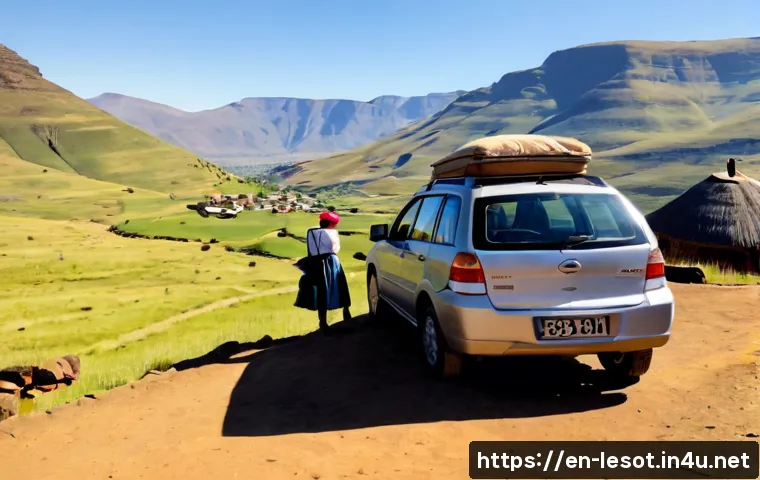
Lesotho works well for independent travelers who plan transport and payment options before leaving larger towns. South African rand is commonly accepted, while the Lesotho loti is best spent before you leave the country.
Comparing rental conditions, accommodation types, and travel insurance terms is more useful than relying on a single daily-budget estimate. Build your plan around your route first, then choose the comfort upgrades that genuinely improve the trip.
At a Glance
- Transport is usually the main budget decision: mountain routes, weather, and road conditions can affect whether a standard car, high-clearance vehicle, or 4×4 is appropriate.
- South African rand and Lesotho loti are linked one-to-one: rand is commonly accepted in Lesotho, but loti is generally not useful outside the country.
- Keep flexibility in your plan: remote stays, limited card access, border checks, and changing route conditions may require extra cash and time.
| Travel style | Accommodation approach | Transport approach | Food and activities | Best for |
|---|---|---|---|---|
| Low-cost | Campsites, basic guesthouses, and self-catering where available | Shared transport or a standard rental car on suitable routes | Groceries, simple meals, and independent sightseeing | Travelers with flexible schedules and modest comfort needs |
| Mid-range | Guesthouses and practical lodges with planned overnight stops | Rental car selected around the actual route and season | A mix of restaurants, self-catering, and selected guided activities | Independent road trippers balancing comfort and control |
| Comfort-focused | Mountain lodges, private rooms, and location-led stays | High-clearance vehicle, 4×4, private transfer, or organized transport where justified | Guided mountain tours, organized excursions, and more dining flexibility | Visitors prioritizing convenience, remote access, and local guidance |
What Usually Drives the Cost of a Lesotho Trip?
The quick answer: transport and route choices matter more than daily meals
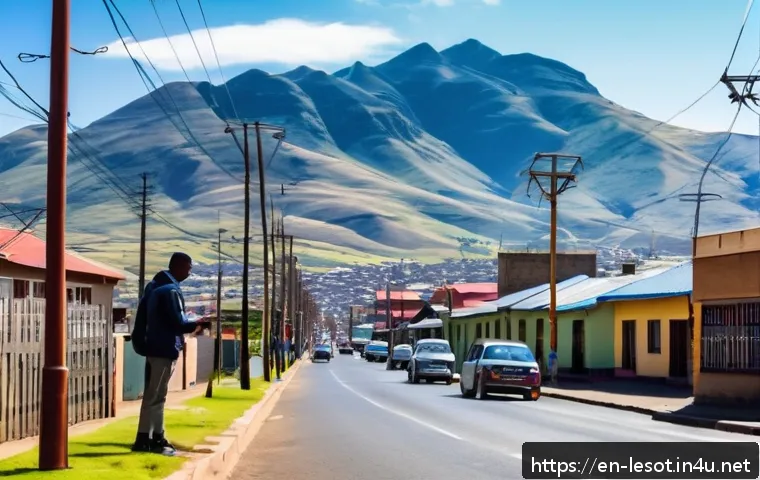
A Lesotho budget is often shaped by how you travel through the country, not just where you eat. Maseru can be a straightforward arrival point from South Africa, but a highland itinerary may involve longer driving times because of steep terrain, altitude, weather, and road conditions. A lower nightly room rate may not be the best value if it creates a difficult driving day or requires a more capable vehicle.
Start with your intended route. Then compare accommodation, rental car category, cross-border permission, fuel planning, and optional guide costs. This order helps prevent a common mistake: booking the cheapest stay first and discovering later that the route to it adds transport risk or complexity.
Use South African rand and loti correctly when building a spending plan
The Lesotho loti (LSL) is pegged one-to-one with the South African rand (ZAR). Rand is commonly accepted in Lesotho, which can simplify a cross-border itinerary. However, loti is generally not used outside Lesotho, so avoid holding more local cash than you expect to spend before returning to South Africa.
Card acceptance and ATM availability can be more limited outside larger towns. Carrying a practical mix of payment methods is sensible: a card for places that accept it, accessible funds for withdrawals where possible, and enough cash for smaller or remote stops. Do not assume that every lodge, shop, fuel stop, or activity provider will handle payment in the same way.
Start with a daily budget range, then add one-time trip costs
Instead of treating every expense as a daily cost, separate repeat expenses from trip-specific expenses. Lodging, food, and routine transport belong in the daily section. Border-related administration, rental permissions, travel insurance, guided excursions, and arrival or departure transfers may be one-time costs. This makes it easier to compare a short Maseru stay with a multi-day mountain road trip.
Compare Low-Cost, Mid-Range, and Comfort Travel Styles
Accommodation: campsites, guesthouses, lodges, and remote stays
Accommodation is not only a comfort decision in Lesotho. It is also a route-planning decision. Campsites and basic guesthouses may suit travelers who are self-sufficient and comfortable with a simpler setup. Guesthouses can offer a useful middle ground for travelers who want predictable overnight stops without choosing every premium feature.
Remote mountain lodges may cost more than urban stays, but their location can reduce pressure on a long driving day. Compare the total value of the overnight stop: access road, parking, meal options, check-in timing, cancellation terms, and whether the property fits your next day’s route.
Food, groceries, restaurants, and self-catering trade-offs
Food spending is usually more flexible than vehicle and accommodation choices. Self-catering can help control costs, especially when you plan ahead near larger towns. Restaurants and lodge meals may be more convenient when you are traveling in remote areas or arriving after a demanding drive.
Build food plans around availability rather than assuming you can shop or dine at any point on a mountain route. A small supply of snacks and drinking water can make a route day easier without turning your itinerary into an overly rigid schedule.
Activities: independent sightseeing versus guides and organized excursions
Independent sightseeing can suit accessible routes and travelers who are confident with local driving conditions. Guided mountain tours, pony trekking arrangements, and organized excursions are optional upgrades that may add value when local knowledge improves access, timing, or confidence. Fees, permits, and tour availability should be checked directly for your travel date.
Rather than adding every activity to a first draft, choose one or two experiences that match the route. This protects your budget and leaves room for weather-related changes.
A budget comparison table readers can adapt to their itinerary
Use the table above as a planning framework, not a price list. Current rates for campsites, guesthouses, lodges, rentals, fuel, guides, and tours vary and need checking at the time of booking. The important comparison is whether your chosen travel style supports your route safely and comfortably.
Transport Costs: Rental Cars, 4×4 Decisions, Fuel, and Border Planning
When a standard car can work and when higher clearance may be worth paying for
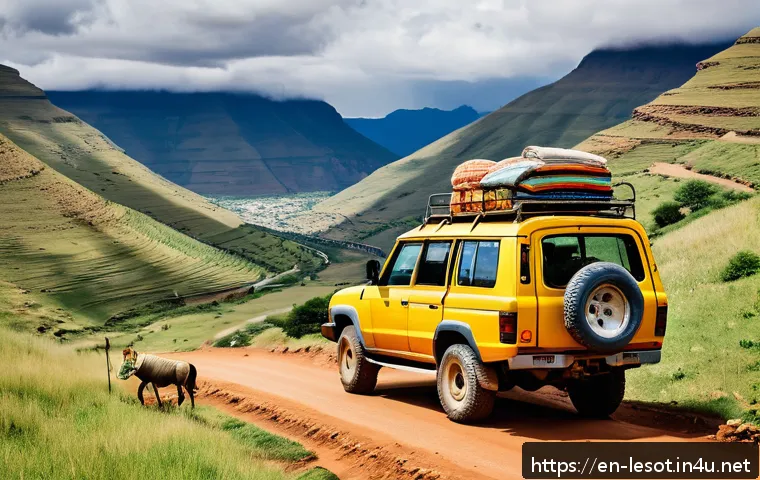
A standard rental car may be suitable for some routes, especially where road conditions and your itinerary support it. But some rural and mountain roads may be better suited to a high-clearance vehicle or 4×4, depending on the season and current conditions. The more remote your planned overnight stops are, the more important this distinction becomes.
Do not choose a 4×4 simply because it sounds adventurous. Choose it when route information, weather, road surface, luggage needs, and driver confidence justify the added capability. In some cases, paying more for the right vehicle can reduce stress and avoid costly itinerary changes.
Cross-border rental permissions, insurance, and document checks
If you rent in South Africa and drive into Lesotho, confirm cross-border permission before booking. Rental companies may have specific document, insurance, vehicle, and approval requirements. Do not assume a rental agreement automatically covers border travel.
Travel insurance is also worth reviewing before departure. Focus on the practical details: driving-related coverage, medical assistance arrangements, exclusions, trip interruption terms, and the claims process. Entry, visa, vehicle, and border requirements depend on nationality, route, and current regulations, so check official guidance and your rental provider’s current conditions.
Fuel planning for mountain routes and smaller towns
Fuel planning matters more when your route leaves larger population centers. Mountain driving can take longer than expected, and detours may affect your schedule. Refuel when it is convenient rather than waiting for the last possible stop, especially before a remote overnight section.
Keep your route realistic. A shorter distance on a map does not always mean a quick drive in highland terrain.
Public transport and private-transfer considerations
Public transport may appeal to travelers who do not want rental-car costs or cross-border driving responsibility. However, it may offer less control over timing and access to remote destinations. Private transfers can be a comfort upgrade for short visits, especially for travelers focused on Maseru or a specific stay rather than a broad road trip.
Compare the total cost and flexibility of each option, including luggage needs, arrival timing, and whether your planned activities require independent mobility.
Build a Realistic Trip Budget Without Missing Hidden Expenses
Add arrival, departure, and border-related costs
List every cost that occurs before the first overnight stay: transport to Maseru or another entry point, rental collection, cross-border paperwork, parking where relevant, and any required travel arrangements. Then list return costs separately. This approach makes a standalone Lesotho visit easier to compare with an add-on to a South Africa road trip.
Reserve a contingency fund for weather, detours, and schedule changes

A contingency fund is not an invitation to overspend. It is a practical buffer for weather, route changes, extra accommodation, or transport adjustments. In mountainous terrain, a plan with no flexibility can become more expensive if conditions change.
Avoid relying on cards alone outside major population centers
Payment planning should be part of the itinerary. Carry a sensible cash backup, understand where you expect to find ATMs, and keep more than one way to pay. Since card acceptance can be limited outside larger towns, confirm payment expectations with accommodation and activity providers when possible.
Check cancellation terms for stays, rentals, and tours
Before committing money, read the cancellation and modification terms for accommodation, a 4×4 rental, guided mountain tours, and travel insurance. The lowest advertised option may be less useful if it cannot adapt to border delays, weather, or a route change.
Budgeting by Itinerary: Maseru Break, Highlands Road Trip, or South Africa Add-On
Short city-focused visit with limited transport needs
A short Maseru-focused visit can reduce the need for extensive vehicle planning. This style may suit travelers entering from South Africa who want a brief Lesotho experience, practical lodging, and limited travel distances. Still, confirm border arrangements and payment options before arrival.
Multi-day mountain route with lodging and vehicle priorities
A multi-day highlands itinerary puts more weight on vehicle capability, fuel planning, remote accommodation, and weather flexibility. This is where a high-clearance rental or 4×4 may be worth comparing carefully. Allocate more of the budget to dependable transport and suitable overnight locations before adding optional activities.
Combining Lesotho with a South African itinerary
Lesotho can work well as part of a South Africa road trip because rand is commonly accepted and the country is surrounded by South Africa. The key issue is not currency conversion but cross-border logistics. Check rental authorization, insurance terms, vehicle documents, border requirements, and the practical route before treating Lesotho as a simple detour.
Solo, couple, and small-group cost-sharing considerations
Transport and accommodation can look very different depending on group size. A solo traveler may prioritize shared transport, simple rooms, or a guided option that reduces logistical work. Couples and small groups may find that splitting a rental vehicle, fuel, or private transfer changes the comparison. The right choice depends on the route, not just the number of people traveling.
Choosing the Right Transport, Stay, and Tour Options
Spend more on vehicle capability when route conditions justify it
Choose vehicle capability based on the roads you will actually use, the season, and current conditions. A standard car may be enough for an easier plan; a high-clearance vehicle or 4×4 can be a sensible upgrade for routes where clearance and traction matter.
Choose guided experiences when local knowledge improves access or safety
A guided tour is most valuable when it improves route access, local understanding, or confidence in mountain conditions. Compare what is included, how the tour fits your schedule, and whether the provider explains meeting points, transport, equipment, and cancellation conditions clearly.
Compare total trip value, not just the lowest nightly rate
A cheaper room, car, or tour is not automatically the lower-cost choice. Consider travel time, location, fuel access, route suitability, payment methods, and booking flexibility. For remote travel, the best value often comes from choices that reduce unnecessary complications.
Final booking checklist before committing money
Confirm your route and expected road conditions. Verify rental-car border permission and insurance terms. Check accommodation access, payment methods, and cancellation rules. Review travel insurance details. Keep a cash plan, fuel plan, and a time buffer for border and mountain travel.
Selection Criteria and Comparison Summary
First, choose the route. A Maseru stay and a highland road trip need different transport budgets. Second, match the vehicle to conditions. Check whether a standard rental car, high-clearance vehicle, or 4×4 is appropriate. Third, compare remote accommodation by access and flexibility, not only the nightly rate. Fourth, confirm cross-border documents and insurance. Finally, keep cash and contingency options available. For rental cars, accommodation, guided tours, and travel insurance, review the detailed conditions on the relevant provider page before booking.
In Closing
A realistic Lesotho travel budget starts with route planning, not a generic daily-spend target. Transport choices, mountain accommodation, and guided activities are the areas most likely to change your total. Use rand and loti thoughtfully, prepare for limited payment access outside larger towns, and leave room for changing conditions. A flexible plan can be more valuable than the cheapest initial booking.
Useful Things to Know
Currency: The Lesotho loti is pegged one-to-one with the South African rand, and rand is commonly accepted in Lesotho.
Cash: Loti is generally not useful outside Lesotho, so plan cash withdrawals and remaining balances carefully.
Driving: Mountain terrain, altitude, weather, and road conditions can affect journey times.
Planning: Remote routes may need more fuel, payment, and accommodation preparation than city-focused travel.
Important Notes
Accommodation rates, rental prices, fuel costs, cross-border charges, activity fees, road conditions, visa eligibility, and border opening hours can change. Check current official entry guidance, rental-company terms, insurance conditions, weather information, and direct provider details for your specific travel dates and route.
Frequently Asked Questions
Q1. Is Lesotho expensive to visit compared with South Africa?
A1. It depends mainly on your itinerary. A short visit near Maseru with simple accommodation and limited transport needs may be easier to manage than a remote mountain road trip. Vehicle type, cross-border arrangements, remote lodging, and guided activities can have a larger impact than everyday food spending.
Q2. Do I need a 4×4 rental car for a Lesotho road trip?
A2. Not for every route. Some roads may suit a standard car, while rural or mountain routes may be better suited to high clearance or a 4×4 depending on season and current road conditions. Check your exact route, weather outlook, rental terms, and local guidance before deciding.
Q3. Should I carry cash in Lesotho, or can I pay by card everywhere?
A3. Do not rely on cards everywhere. Card acceptance and ATM availability can be more limited outside larger towns, so carry a practical cash backup and more than one payment option. South African rand is commonly accepted, while any remaining loti should generally be used before leaving Lesotho.