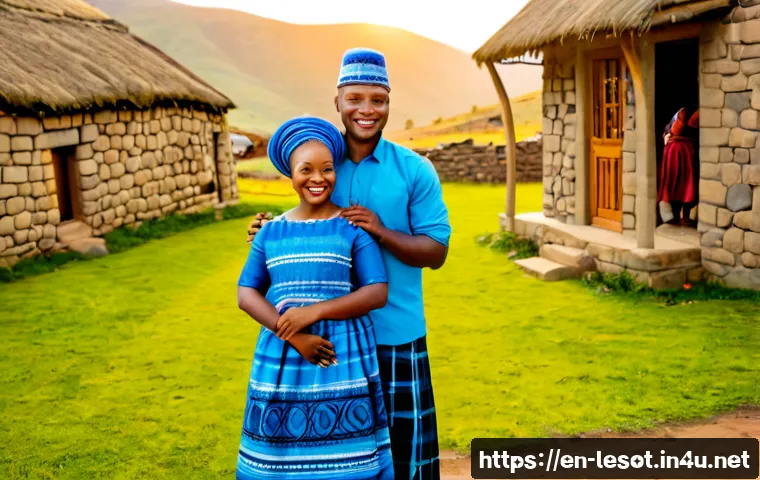
Family consultation should come before booking wedding services or finalizing a Basotho ceremony schedule. A respectful Basotho wedding plan begins by listening to both families, especially where bohali and customary marriage discussions are involved.
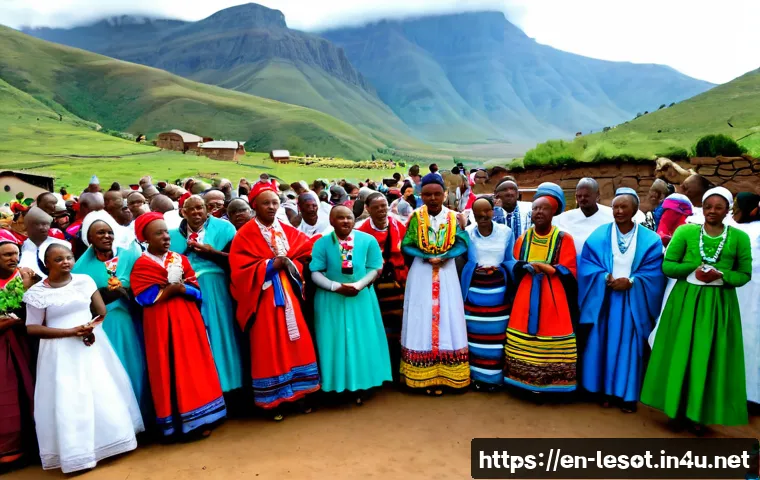
There is no single Basotho wedding format, so attire, food, ceremony order, gifts, and guest roles should be agreed with the people directly involved.
Couples can then compare venues, catering, transport, photography, attire, and coordination services based on the level of cultural support they need.
A local wedding coordinator may be useful when language support, family liaison, rural travel, or supplier management is a concern. Legal marriage registration may be separate from customary celebrations, so applicable requirements should be confirmed independently.
At a Glance
- Talk with both families first before confirming suppliers, invitations, or a ceremony timetable.
- Bohali is a Sesotho term used for bridewealth discussions in customary marriage contexts, and arrangements may be private and family-specific.
- Compare wedding services by cultural experience, written inclusions, transport planning, communication, and cancellation terms.
| Decision Factor | Independent Planning | Local Wedding Coordinator |
|---|---|---|
| Family communication | Works well when the couple and families can manage discussions directly. | May help when a neutral person is needed to coordinate messages and meeting details. |
| Language support | Best when everyone is comfortable communicating with suppliers and guests. | Useful where Sesotho and English communication needs extra care. |
| Vendor management | The couple compares quotes, confirms schedules, and follows up with each provider. | The coordinator can manage venue, catering, transport, photography, and timing discussions. |
| Travel and logistics | Suitable for a simple event with familiar locations and manageable guest travel. | Can add value for rural logistics, multiple locations, or visiting family members. |
| Budget control | Direct control over each booking and service choice. | Ask clearly what coordination includes and whether supplier management is part of the service. |
What Makes a Basotho Wedding Distinctive?
A quick overview of family involvement, cultural identity, and ceremony flexibility
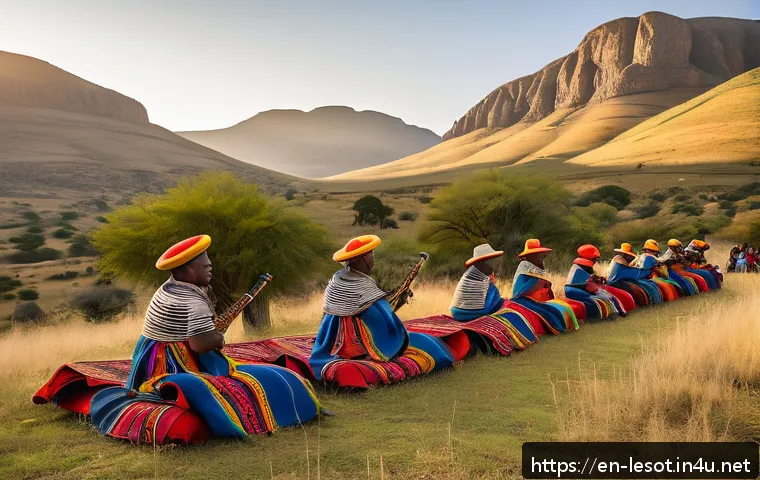
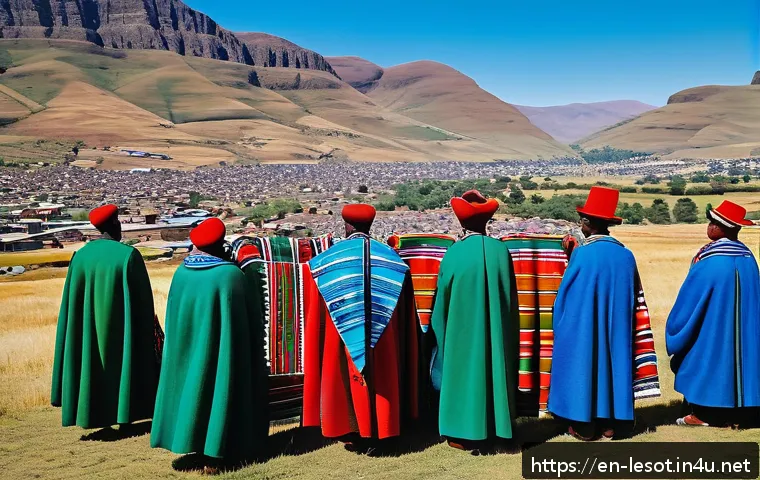
A wedding in Lesotho may bring together contemporary event planning and Basotho cultural identity. The Basotho people are closely associated with the Sesotho language and distinctive Basotho blankets. Wedding clothing can combine formal Western-style garments with blankets, textiles, or Seshoeshoe fabric.
Family participation is often an important part of customary marriage arrangements. That does not mean every family follows the same sequence or expects the same event format. A celebration may differ by household, community, religious practice, and location. The respectful approach is to ask what matters to the people involved rather than treating one online example as a universal rule.
Why respectful planning starts with listening rather than copying a fixed checklist
Begin with a family conversation before selecting a wedding venue, caterer, photographer, transport provider, or attire package. Ask which moments are private, which guests should be included, what language will be used, and who should guide decisions on the day.
A useful planning matrix separates four areas: cultural essentials, family preferences, legal steps, and optional upgrades. This prevents a decorative choice, such as a blanket or fabric theme, from being mistaken for a substitute for family consultation.
Understanding Bohali and Family Discussions
The role of bridewealth conversations in customary marriage contexts
Bohali is the Sesotho term commonly used for bridewealth discussions connected with customary marriage practices. These discussions can involve both families rather than only the couple. The exact form, amount, timing, and recipients should not be assumed, publicly compared, or treated as a standard wedding cost.
For couples, the practical point is simple: keep discussions private and follow the guidance of the families involved. A wedding planner or coordinator can support scheduling and communication, but should not replace family-led decisions about customary matters.
Questions couples should clarify privately with both families
- Who should take part in family meetings and ceremony roles?
- Which moments, if any, should remain private from guests, photographers, or social media?
- What language support will help older relatives and visiting guests participate comfortably?
- How should guest lists, family contributions, food, and transport be discussed?
- Which attire choices are welcome, and are there preferences around blankets or Seshoeshoe fabric?
Separating cultural expectations from legal marriage registration
A customary ceremony and legal marriage registration may be separate matters depending on the couple’s circumstances and applicable requirements. Do not assume that one automatically completes the other. Confirm documents, fees, timelines, and registration procedures with the appropriate local authority or a qualified adviser before setting a final date.
Ceremony Style, Attire, and Guest Etiquette
Blending contemporary formalwear with Basotho blankets and Seshoeshoe fabrics
Many couples choose formal wedding clothing while incorporating Basotho blankets, Seshoeshoe fabric, or other meaningful textile details. The choice can be subtle or central to the visual style of the day. The most appropriate option is the one that fits the couple’s wishes and both families’ expectations.
When comparing cultural attire providers or tailoring services, ask to see the scope of the service clearly. Confirm what is included, when fittings are expected, whether accessories are part of the quote, and what happens if an item needs adjustment.
How guests can dress and participate respectfully
Visitors should avoid assuming that a blanket or particular fabric is required. If the invitation does not explain a dress preference, ask the hosts or a designated family contact. Clean, formal clothing and a willingness to follow the family’s guidance are usually more important than trying to copy a style without context.
Guests should also arrive with enough time for transport changes and the possibility of a schedule that reflects family discussions. For destination wedding guests, it is sensible to confirm travel arrangements, venue access, and any location-specific guidance directly with the hosts.
Photography, social media, and consent during family-centered moments
Photography is valuable for preserving a wedding day, but some family-centered moments may not be suitable for recording or posting. Couples should tell their photographer which parts of the event are public, private, or restricted. Guests should ask before sharing close family moments online.
When choosing a wedding photographer, discuss consent, family direction, delivery expectations, and coverage boundaries. Cultural sensitivity is as important as visual style.
Planning Costs and Wedding Service Comparisons
Comparing venue, catering, transport, music, photography, and coordination needs
Wedding budgets in Lesotho vary by town, season, guest count, location, and service level. Instead of looking for a supposed standard package, request itemized written quotes. This makes it easier to compare a venue, catering provider, transport option, music service, photographer, and wedding coordinator on the same basis.
For each quote, ask what is included, what requires an additional agreement, who manages setup and timing, and whether travel or location logistics affect the service. A lower initial quote may not be comparable if it leaves out key responsibilities.

Independent planning versus a local coordinator: when each option adds value
Independent planning can suit couples with local knowledge, clear family communication, and enough time to manage supplier calls and day-of scheduling. It can also work well when the ceremony is simple and held in familiar locations.
A local wedding coordinator may be worth considering when families are in different places, diaspora relatives are attending, language support is needed, or several vendors need to work around family-led ceremony timing. Before booking, clarify whether the service includes family liaison, vendor follow-up, transport coordination, and on-the-day management.
How to request clear quotes without assuming a standard wedding package
Send each provider the same short brief: event date, approximate guest count, location, service hours, preferred communication language, and the support you need. Then ask for written inclusions, exclusions, cancellation terms, payment timing, and any cultural experience relevant to your event. This approach gives couples a fairer basis for comparing wedding services.
Avoidable Planning Mistakes for Couples and Guests
Booking suppliers before family expectations are aligned
Booking a venue or photographer before key family conversations can create avoidable pressure. A timetable, guest list, or venue layout may need to change once ceremony roles and attendance expectations are discussed. Hold a planning meeting first, then book services that can support the agreed format.
Treating bohali as a public pricing exercise
Bohali is not a public wedding-price comparison tool. Do not use it as a social media topic, vendor sales angle, or budget line to be guessed by outsiders. Keep customary discussions private and guided by the families involved.
Overlooking travel time, weather, language needs, and rural logistics
Travel time and location can shape the whole guest experience. Check how guests, suppliers, catering, equipment, and photography teams will reach the venue. If family members are traveling from outside the area, clear directions and a single contact person can reduce confusion. Build flexibility into the schedule rather than assuming every supplier and guest will arrive at the same time.
Choosing Services for Your Wedding Day: A Decision Summary
A final checklist for cultural fit, communication, written terms, and budget priorities
Before choosing any wedding service, check these points:
- Cultural fit: Can the provider listen to family preferences without imposing a fixed ceremony format?
- Communication: Is there clear support for the languages and contacts needed on the day?
- Written terms: Have you compared quotes, inclusions, cancellation terms, and responsibilities?
- Logistics: Does the provider understand the venue, transport needs, and timing flexibility required?
- Budget priorities: Are you paying first for the services that make guests and families comfortable?
When specialist local support may be worth the additional cost
Specialist local support may be useful when the event involves several family groups, travel between locations, a large vendor team, or guests unfamiliar with Lesotho. Compare written quotes, inclusions, cancellation terms, and cultural experience before deciding. For official service details and full conditions, review the relevant provider’s information page directly.
Final Thoughts
A respectful Basotho wedding is not built from a single template. It is built through family communication, thoughtful choices, and clear planning. Whether you plan independently or hire a local coordinator, choose services that support the people and customs at the center of the celebration. Keep customary matters private, confirm practical arrangements in writing, and leave room for family guidance.
Useful Information to Keep in Mind
Family meeting: Agree on roles, guest expectations, language, and private moments before booking.
Service comparison: Request written quotes for venue, catering, transport, photography, attire, and coordination.
Guest guidance: Ask hosts about dress, participation, photography, and travel rather than making assumptions.
Important Notes
Customs, attire, food, gifts, ceremony order, and bohali arrangements can differ among Basotho families and communities. This guide does not provide legal registration advice or fixed wedding costs. Confirm legal requirements with the appropriate authority or qualified adviser, and confirm event-specific expectations directly with the families involved.
Frequently Asked Questions
Q1. What is bohali in a Basotho traditional wedding?
A1. Bohali is the Sesotho term commonly used for bridewealth discussions connected with customary marriage practices. The details may be private and vary by family, so they should not be assumed or treated as a standard public cost.
Q2. How can a couple budget for a wedding in Lesotho without assuming fixed customary costs?
A2. Separate family-led customary discussions from service planning. Compare written quotes for venue, catering, transport, photography, attire, music, and coordination, then confirm what each quote includes. Do not assign assumed figures to bohali or other family arrangements.
Q3. Should visitors wear Basotho blankets or Seshoeshoe clothing to a traditional wedding?
A3. Visitors should ask the hosts or a family contact about attire preferences. Basotho blankets and Seshoeshoe fabric may be meaningful choices, but no single outfit represents every Basotho family. Respectful formal dress and willingness to follow guidance are the safest approach.