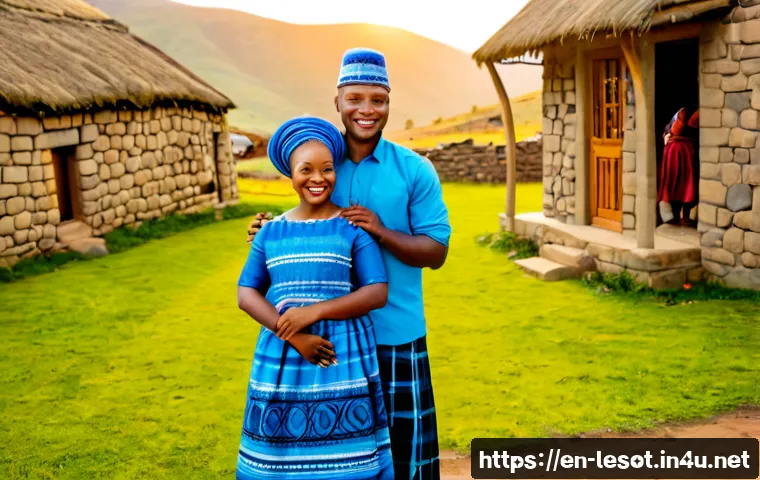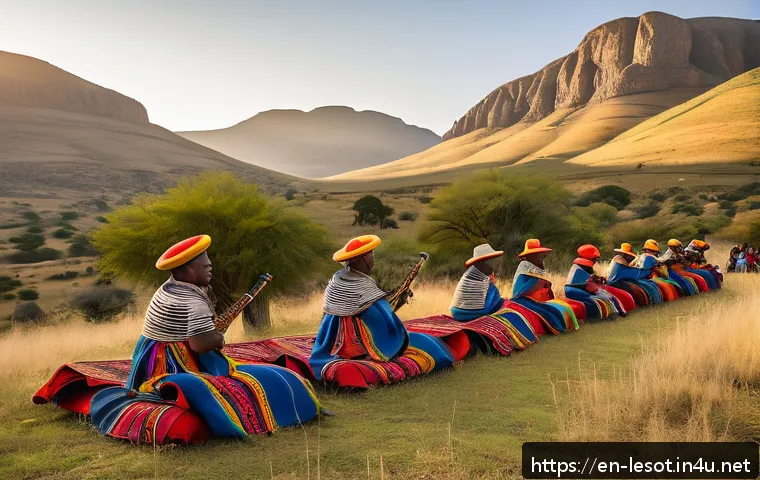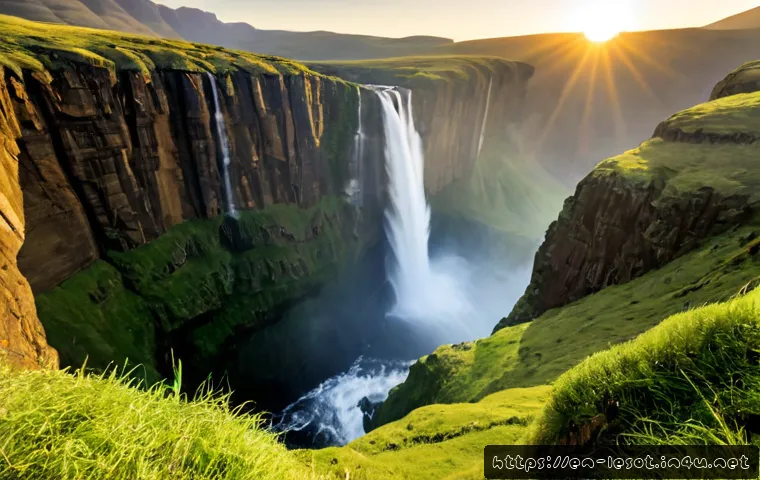
Maletsunyane Falls, Katse Dam, and the Maloti highlands are the strongest choices for dramatic landscape photography in Lesotho. For cultural and historical images, add Thaba-Bosiu and the Kome Cave Dwellings, while Ts’ehlanyane and Sehlabathebe suit photographers who want remote park scenery.
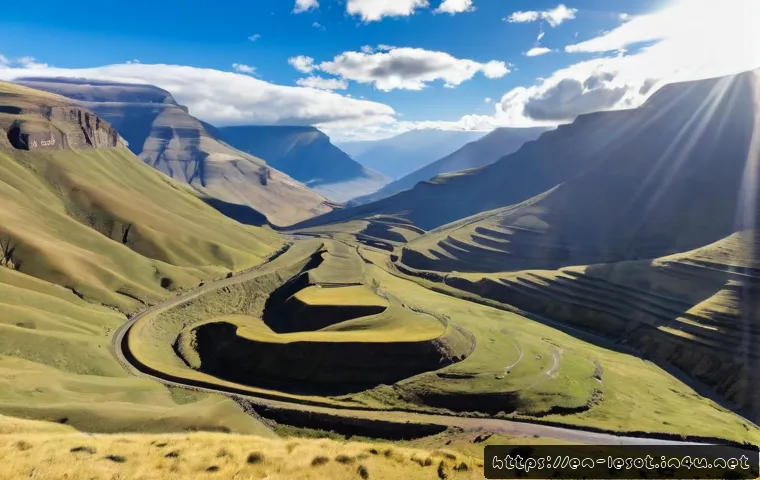
Semonkong is a practical landmark-focused option, whereas the highlands reward a slower road-trip itinerary. A guided mountain tour or 4×4 rental can be worth considering when weather, route conditions, and limited services make self-driving less straightforward.
Check current access, permits, accommodation, and vehicle requirements directly with local operators before committing to a route. A flexible plan matters because rain, snow, wind, and changing mountain conditions can alter both access and light.
At a Glance
- Best waterfall photographs: Maletsunyane Falls near Semonkong, a single-drop waterfall of about 192 metres.
- Best mountain-scale scenes: Katse Dam, its reservoir, and the surrounding Lesotho Highlands.
- Best cultural subjects: Thaba-Bosiu and the Kome Cave Dwellings, with permission and respectful photography practices.
| Location | Main Photo Subject | Trip Style | Transport Consideration | Guide Value |
|---|---|---|---|---|
| Maletsunyane Falls / Semonkong | Waterfall and dramatic valley views | Landmark-focused stop | Confirm current road conditions | Useful for local access and timing |
| Katse Dam and Highlands | Reservoir, mountains, wide road-trip scenes | Scenic driving itinerary | Compare standard rental and 4×4 suitability | Helpful for unfamiliar mountain routes |
| Thaba-Bosiu / Kome | History, sandstone, traditional dwellings | Cultural and historical visit | Plan around local access arrangements | Useful for context and permissions |
| Ts’ehlanyane / Sehlabathebe | Trails, woodland, grasslands, rock formations | Remote nature-focused route | Check weather and route status carefully | Often sensible for remote travel planning |
The Best Places for Dramatic Lesotho Photography at a Glance
Lesotho’s strongest images often come from contrast: large open grasslands, steep mountain contours, dark weather, reservoirs, sandstone, and small human elements within a broad landscape. The best route depends on whether you want a single major landmark, a cultural stop, or a multi-day highland photography itinerary. Do not choose locations only by distance on a map; weather and local road conditions can change the practical effort involved.
Best for Waterfalls: Maletsunyane Falls and Semonkong
Maletsunyane Falls near Semonkong is widely regarded as one of Lesotho’s best-known natural landmarks. Its approximately 192-metre single drop gives photographers a clear focal point, whether the aim is a wide landscape frame or a tighter study of falling water and cliff texture. Cloud cover and wind can change the appearance of the scene quickly, so build flexibility into the visit rather than relying on one short time window.
A local guide can be useful if you want help understanding current conditions and viewing options. Before booking a stay or excursion around Semonkong, confirm current access, photography arrangements, and whether local conditions affect the route.
Best for Mountain-Scale Views: Katse Dam and the Highlands
Katse Dam creates a large reservoir surrounded by mountain scenery in the Lesotho Highlands. It suits photographers looking for wide-angle compositions: water leading into mountain layers, changing cloud patterns, and road-trip views that feel larger than a single destination stop.
This is a better choice for travelers who enjoy the journey as much as the final viewpoint. Compare a guided mountain tour with a self-drive plan if you are unfamiliar with highland routes. A 4×4 rental may be worth considering when route conditions, weather, or your broader itinerary call for more flexibility, but confirm the vehicle requirements and current road situation before booking.
Best for Culture and History: Thaba-Bosiu and Kome Cave Dwellings
Thaba-Bosiu is a historic sandstone plateau associated with King Moshoeshoe I and the founding of the Basotho nation. Its visual appeal comes from the shape of the plateau as well as its historical meaning. Kome Cave Dwellings, in the Berea District, offer a different cultural subject: traditional dwellings built into a rocky landscape.
These are not simply scenery stops. Ask before photographing people, homes, livestock, or any activity that may be private. A local guide can add context and help visitors approach cultural photography with more care.
Compare Locations by Access, Light, and Trip Cost
Day-Trip Stops Versus Remote Multi-Day Locations
Semonkong, Thaba-Bosiu, and Kome can suit a landmark-led plan where the destination is the main photographic objective. Katse Dam and the northern or eastern highlands fit more naturally into a scenic driving itinerary. Ts’ehlanyane National Park and Sehlabathebe National Park are better considered as nature-focused stops where the landscape, trails, and changing conditions are part of the experience.
For a short visit, focus on one clear photographic theme rather than trying to cover every region. For a longer route, allow time for weather delays, slower travel, and repeated attempts at a scene when the light improves.
When a Standard Rental Car May Be Enough—and When a 4×4 or Guide Is Worth Considering
A standard rental may suit some planned routes, but suitability depends on current conditions and the exact roads you intend to use. Do not assume a route will be easy because it appears direct. Rain, snow, and mountain weather can change driving difficulty quickly.
A 4×4 rental or guided excursion can be a practical choice when your plan includes remote highland travel, uncertain conditions, or several locations in one route. When comparing options, look at vehicle terms, insurance coverage, route guidance, and what support is available if plans change. For guided tours, ask how much time is allocated for photography rather than assuming every sightseeing itinerary allows extended stops.
Budget Categories to Check Before Booking Transport and Accommodation
Instead of relying on a single trip estimate, compare the categories that affect a photography trip: vehicle hire, fuel planning, mountain lodging, guided excursions, camera protection, and travel insurance. Remote travel can also make flexibility valuable, especially when a weather change requires an extra night or a revised route.
When comparing lodges, focus on location, access information, and whether the property fits your intended sunrise or evening photography schedule. Check official booking pages or contact operators directly for current availability and conditions.
Waterfalls, Dams, and Highland Roads Worth Photographing
Maletsunyane Falls: Composition Ideas and Weather Considerations
At Maletsunyane Falls, start with the big scene: the full drop, the surrounding cliff, and enough foreground or sky to show scale. Then look for smaller details such as rock patterns, water texture, or changing mist. Wind can affect both camera handling and the look of the water, so keep lenses protected when conditions are dusty or wet.
Bring a stable carrying solution for your camera gear and avoid placing equipment where spray, wind, or uneven ground creates unnecessary risk. Conditions should guide the shot, not the other way around.
Katse Dam: Reservoir Viewpoints and Wide-Angle Landscapes
Katse Dam works best when you treat the reservoir as a graphic element within a larger mountain frame. Wide-angle landscapes can emphasize the meeting point of water, ridges, roads, and sky. A longer focal length can simplify distant mountain layers when the atmosphere is clear enough to separate them.
Infrastructure may have restrictions, and drone rules near dams or other facilities may vary. Confirm permissions and restrictions directly rather than assuming that photography or flying is allowed everywhere.
Mountain Passes: Photographing Roads, Clouds, and Changing Conditions Safely
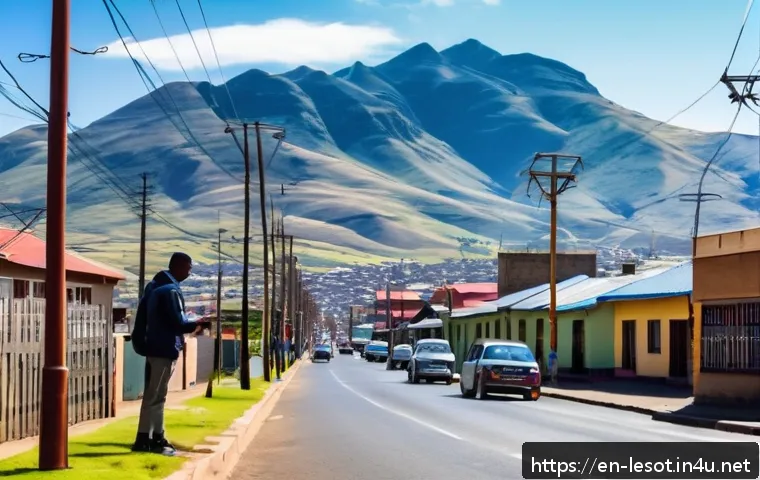
Highland roads can produce strong travel photographs, especially when a road line leads through grassland, cloud, or mountain contours. However, safety comes before roadside composition. Do not stop where visibility is poor, where the road edge is uncertain, or where the vehicle could create a hazard.
Keep a weather-aware plan, carry basic protection for dust and wind, and avoid unverified off-road routes. A photograph is not worth turning a remote driving day into a recovery problem.
National Parks and Remote Landscapes
Ts’ehlanyane National Park for Trails, Woodland, and Mountain Layers
Ts’ehlanyane National Park lies in the Maloti Mountains and is known for highland trails, indigenous woodland, and mountain views. It offers a useful change from exposed reservoir and road scenes: tree texture, trail perspectives, and mountain layers can all work within the same visit.
Plan your gear around walking rather than carrying every lens you own. Weather protection, water, and a simple lens-cleaning kit are more useful than an overloaded bag when conditions change.
Sehlabathebe National Park for Rock Formations and Quieter Wilderness Scenes
Sehlabathebe National Park forms part of the Maloti-Drakensberg Transfrontier Conservation Area. It is known for rock formations, grasslands, and remote scenery. This is a strong option for photographers who prefer quieter wilderness scenes over a checklist of landmark stops.
Because the setting is remote, check access details, accommodation plans, and weather conditions in advance. A guided route may provide better value than an improvised self-drive plan if you need local route knowledge and want to spend more time photographing than navigating.
Afriski and Northern Highlands for Winter or Alpine-Style Images
Afriski Mountain Resort is in Lesotho’s northern highlands and is associated with winter snow activities and alpine scenery. It can be relevant for photographers seeking a different visual character from the country’s grassland and sandstone scenes.
Winter conditions can affect access and driving decisions. Confirm current snow, road, accommodation, and activity information directly with the resort or local operators before making a trip specifically for winter photography.
Cultural Photography Etiquette, Safety, and Common Mistakes
Ask Before Photographing People, Homes, Livestock, and Ceremonies
Good cultural photography begins with consent. Ask clearly before photographing people, private homes, livestock, or ceremonies. If the answer is no, move on without pressure. This approach is more respectful and often leads to a better travel experience than treating every scene as automatically available to photograph.
Plan for Limited Fuel, Weather Changes, and Long Driving Times
Remote mountain travel requires practical preparation. Keep fuel planning, route changes, changing light, and possible weather disruption in mind. Pack camera protection for wind and dust, spare power where appropriate, warm layers, water, and a simple way to keep essential gear dry.
Avoid Unsafe Roadside Stops and Unverified Off-Road Routes
Do not rely on unverified shortcuts or turn onto off-road tracks simply because they appear photogenic. Check local guidance, use appropriate transport, and choose safe stopping points. Travel insurance should be reviewed for the activities and vehicle arrangements in your plan; coverage terms vary and should be checked before departure.
Selection Criteria and Comparison Summary
Choose Semonkong for a Short Landmark-Focused Trip
Choose Semonkong when your priority is a signature waterfall image and you prefer a plan centered on one well-known natural landmark. Confirm access conditions and consider a local guide if you want help with current information and location context.
Choose Katse and the Highlands for a Scenic Driving Itinerary
Choose Katse Dam and the highlands if you want the road journey, reservoir, and mountain scale to be central to the photographs. Compare standard rental options, 4×4 hire, and guided mountain tours based on your route, driving confidence, and the latest weather information.
Choose Parks and Guided Routes for Remote Landscape Photography
Choose Ts’ehlanyane or Sehlabathebe when trails, woodland, rock formations, grasslands, and quieter wilderness matter more than reaching a single landmark. For remote routes, a guide can be a sensible planning tool rather than an unnecessary extra.
Final Booking Checklist for Transport, Guides, Stays, and Insurance
Before booking, check current road conditions, vehicle suitability, lodging location, guide availability, camera and drone restrictions, and travel insurance terms. Also confirm whether your preferred stops need advance permission or have changing access arrangements. Compare 4×4 hire, mountain lodging, and guided photography-friendly itineraries on the relevant operator pages before choosing the plan that matches your route.
Closing Thoughts
Lesotho rewards photographers who plan for variation rather than certainty. A waterfall, a reservoir, a highland road, and a cultural site can each create very different images within one trip. Keep the itinerary realistic, leave room for weather, and approach communities and remote landscapes with care. The strongest photographs often come from staying flexible enough to work with the conditions you find.
Useful Things to Know
Pack for exposure: Wind, dust, and fast-changing light can affect both equipment and comfort.
Keep plans flexible: Mountain weather, snow, rain, and road conditions can change seasonal access.
Request permission: This is particularly important around villages, homes, people, and cultural locations.
Confirm before flying: Drone rules and restrictions near infrastructure or cultural sites may vary.
Important Notes
Entrance fees, photography permits, road closures, tour availability, accommodation prices, drone restrictions, and local permission requirements can change. This guide does not replace current advice from official local contacts, park representatives, accommodation providers, vehicle-rental companies, or tour operators. Confirm details directly before travel, especially for remote highland routes and winter conditions.
Frequently Asked Questions
Q1. What is the best time of year to photograph mountain landscapes in Lesotho?
A1. The best timing depends on the look you want and current access conditions. Winter can be relevant for snow and alpine-style scenes around Afriski, while weather, rain, wind, and cloud can affect mountain photography at any time. Check local conditions shortly before travel rather than depending on a fixed seasonal expectation.
Q2. Do I need a 4×4 or a guided tour to reach Lesotho’s best photography locations?
A2. Not every location necessarily requires the same transport arrangement, but road conditions and driving difficulty can change quickly in mountain areas. A standard rental may suit some routes, while a 4×4 or guided tour can be sensible for remote highland travel, uncertain weather, or unfamiliar roads. Confirm the current requirements with rental providers and local operators.
Q3. Is it possible to photograph Maletsunyane Falls and Katse Dam on the same trip?
A3. Yes, they can be included in a broader Lesotho itinerary, but they offer different trip styles: Maletsunyane Falls is a landmark-focused destination, while Katse Dam fits a scenic highland driving route. Allow enough flexibility for road conditions, weather, accommodation, and the time needed to photograph each location properly.