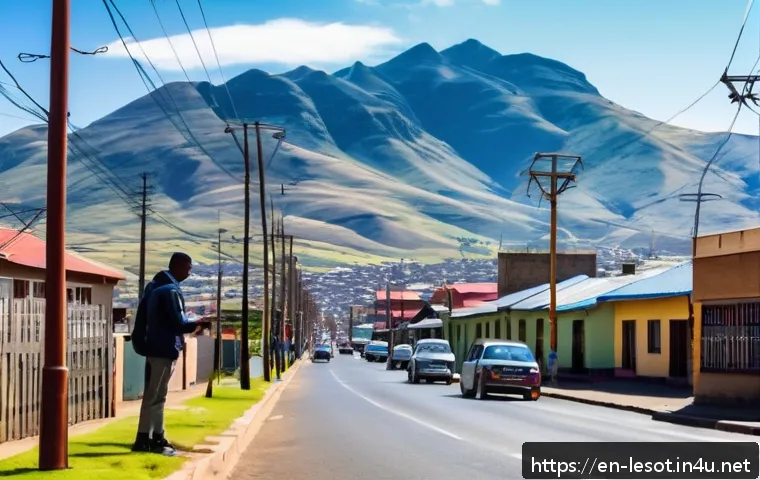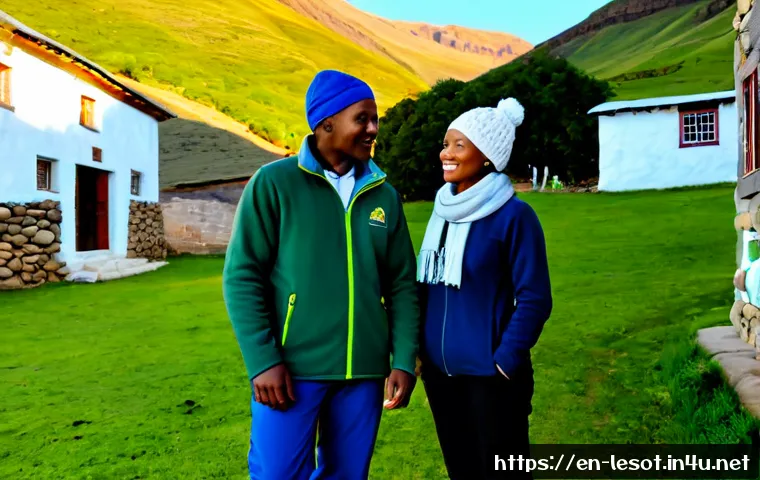
Dress for Lesotho with flexible layers: a light base layer, a warm mid-layer, and weather protection that you can add or remove quickly. Bring a warm layer in every season, because sunny days can turn cool after dark and conditions vary greatly between towns and highland areas.
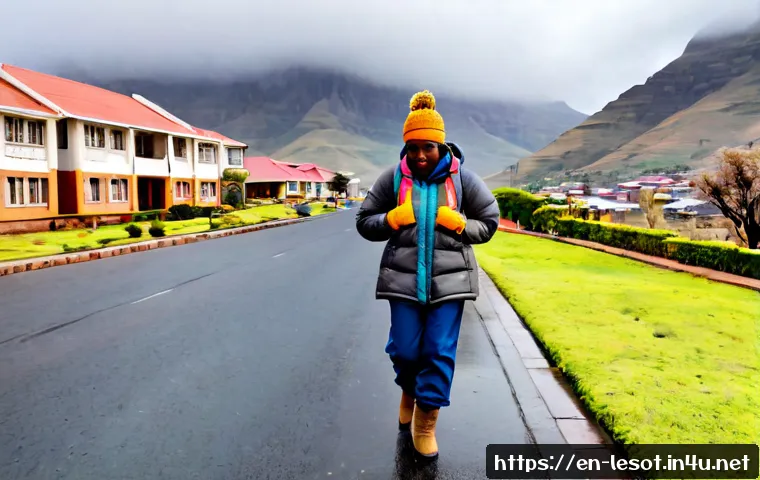
Summer travel calls for rain readiness as well as sun protection, while winter travel requires more serious insulation for cold nights and mountain routes.
Waterproof footwear is a sensible priority for hiking, rural roads, and wet conditions. Choosing between buying, borrowing, or renting outdoor gear depends on your trip length, planned altitude, and whether you will spend time outdoors.
At a Glance
- Use layers: Lesotho’s altitude and changing terrain can make daytime and evening conditions feel very different.
- Plan for rain and sun: Summer can bring afternoon rain and thunderstorms, while strong sun exposure matters at altitude year-round.
- Match gear to the route: City stays need comfortable walking clothes; highland drives and hikes need warmer, more weather-resistant options.
| Trip Type or Season | Clothing Priorities | Gear Considerations |
|---|---|---|
| Summer travel | Breathable clothes, warm layer for evenings, rain shell | Compact waterproof jacket, sun protection, footwear that handles wet ground |
| Winter travel | Insulating layers, warm trousers, cold-weather outer layer | Waterproof footwear, warm accessories, extra protection for mountain areas |
| Highland villages and passes | Warm mid-layer, wind and rain protection, adaptable outerwear | Sturdy walking shoes or hiking boots; check current route and weather conditions |
| City sightseeing | Comfortable everyday layers and a packable warm top | Walking shoes, small day bag, sun protection |
The Short Answer: Dress in Flexible Layers for Fast-Changing Conditions
The most practical answer to what to wear in Lesotho is simple: use clothing that works together. A single thick coat can be useful in cold weather, but it is less adaptable than a layered travel outfit. Conditions may differ between lowland towns, mountain passes, and remote highland areas, so your clothes should be easy to adjust during the day.
A Simple Three-Layer System for Most Visitors
Start with a comfortable base layer suited to walking and everyday travel. Add a warm mid-layer, such as a fleece or other insulating top, for cooler periods. Finish with an outer layer that can protect against rain and wind when needed. This system lets you remove a layer in warm sun and put it back on when temperatures drop after dark.
Why a Warm Layer Belongs in Your Bag Year-Round
Summer does not mean every part of Lesotho will feel warm all day. The country is high in altitude, and evenings or mountain areas may feel much colder than a sunny afternoon suggests. A lightweight insulated jacket or fleece is therefore useful even if your itinerary is mainly city-based. For outdoor trips, keep that warm layer in an accessible day bag rather than packed at the bottom of your luggage.
What to Pack by Season and Travel Area
Summer Clothing for Warm Days, Rain, and Cool Evenings
Summer generally falls from about November to March. Pack breathable daytime clothing, but do not rely on warm-weather items alone. Afternoon rain and thunderstorms are possible, so a waterproof jacket or rain shell is more useful than an umbrella for travelers who expect to walk, drive through rural areas, or spend time outside. Add a warm top for evenings and a hat, sunglasses, or other sun protection for high-altitude exposure.
Winter Clothing for Cold Nights and Mountain Conditions
Winter is roughly June to August and can be cold, especially at night and in mountainous areas. Snowfall is possible at higher elevations. Bring clothing that can provide steady warmth: an insulating mid-layer, a suitable outer jacket, and warm accessories if your route includes highlands or mountain passes. Avoid assuming that a city daytime outfit will be enough for an overnight stay at a higher elevation.
Lowland Towns Versus Highland Villages and Passes
A lowland town visit may require little more than comfortable walking clothes, a warm layer, and rain protection. Highland villages, passes, and remote travel call for greater caution. Prioritize wind resistance, waterproof footwear, and insulation when you will be outdoors for long periods. Check the forecast for each part of the route rather than using one general Lesotho weather forecast for the entire trip.
Clothing and Gear Comparison: What Is Worth Paying More For?
Waterproof Jacket, Insulated Jacket, or Fleece: Which Matters Most?
For summer or mixed-season travel, a reliable waterproof shell is often the most versatile purchase because it supports layering and handles rain. A fleece or similar warm mid-layer is useful across seasons and works well under a shell. An insulated jacket becomes more important for winter, cold nights, and higher-altitude stays. Think about the coldest and wettest part of your itinerary before comparing outdoor clothing options.
Footwear Choices for City Streets, Rural Roads, and Hiking Trails
Comfortable walking shoes can suit city sightseeing and cultural visits. For rural roads, wet weather, uneven ground, hiking, or pony trekking, choose footwear with better grip and weather protection. Waterproof hiking shoes or boots may be worth prioritizing if outdoor activity is central to the trip. New footwear should be tested before travel; unfamiliar shoes can be uncomfortable even when they look suitable.
Buy, Borrow, or Rent: A Practical Travel-Gear Decision Guide
Buy core items from home when you need dependable fit and frequent use, especially footwear, layers, and rain protection. Borrowing can make sense for occasional cold-weather clothing if the fit and condition are appropriate. Rental may be worth considering for specialist equipment needed only for a short outdoor activity, but availability, quality, prices, and what local providers supply should be confirmed directly before you rely on it.
If you are comparing outdoor gear, focus on the product details for water resistance, warmth, packability, fit, and intended activity rather than choosing by appearance alone.
Avoid Packing Mistakes That Can Make a Lesotho Trip Uncomfortable
Relying on One Heavy Coat Instead of Adaptable Layers
One heavy coat may feel excessive in the sun and still leave you without useful options when rain or wind arrives. Flexible layers make it easier to respond to changing temperatures. They also help travelers pack for city visits and highland travel without carrying separate full wardrobes.
Forgetting Sun Protection at High Altitude
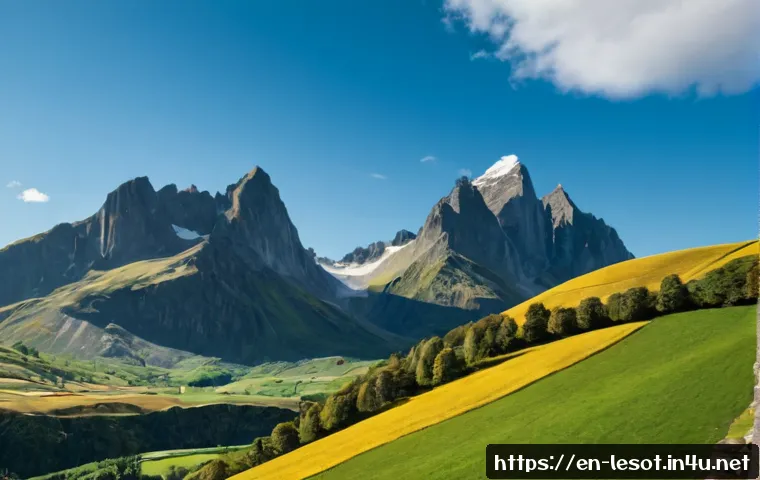
Cool air can make strong sun feel less obvious. Pack practical sun protection for exposed travel days, especially when hiking, driving through open mountain areas, or spending extended time outdoors. A brimmed hat, sunglasses, and covered shoulders can be useful additions to your clothing plan.
Wearing Unsuitable Shoes in Wet or Uneven Conditions
Light casual shoes may be fine for a short urban itinerary, but they are not always suitable for wet ground, rural roads, or trails. Match your footwear to your activity level. If your plan includes both town walking and outdoor excursions, consider bringing one comfortable everyday pair and one more protective pair.
Outfit Ideas for Common Lesotho Travel Plans
City Sightseeing and Cultural Visits
Choose comfortable trousers or similar everyday clothing, a breathable top, walking shoes, and a packable fleece or light jacket. Add a rain shell when summer rain is possible. This combination keeps the outfit practical without making city travel feel overly technical.
Mountain Drives, Villages, and Overnight Stays
Wear a base layer, warm mid-layer, and protective outer layer that can be adjusted in the vehicle or outdoors. Bring sturdy shoes and keep a warm top close at hand for stops along the route. For overnight stays, confirm the expected weather and whether your accommodation provides any cold-weather equipment or heating.
Hiking, Pony Trekking, and Outdoor Excursions
For outdoor excursions, prioritize movement, grip, and weather protection. Use moisture-manageable clothing, a warm layer, rain protection, and supportive footwear. Carry sun protection and avoid setting out based only on morning conditions; local weather, trail access, and activity requirements should be checked close to departure.
Choosing Clothing and Gear: A Final Comparison Checklist
Before you pack or purchase travel clothing, consider these points:
- Season: Summer requires rain readiness; winter requires stronger cold-weather planning.
- Altitude: Higher areas may need more warmth than lowland towns.
- Activities: Hiking and rural travel need more protective footwear and outerwear than city sightseeing.
- Trip length: Longer trips can justify more versatile, washable, and durable layers.
- Accommodation and transport: Confirm heating, supplied equipment, route access, and current weather conditions.
When comparing clothing, luggage, or outdoor gear, check the relevant product or rental page for fit guidance, weather protection details, and current terms before making a decision.
In Closing
Lesotho packing is less about bringing one perfect outfit and more about preparing for contrast. You may experience warm sun, cool evenings, rain, wind, and very different conditions across a single itinerary. A sensible layer system, protective footwear, and sun awareness will cover many common travel situations. Pack for the coldest part of your route, not only the warmest part of the day.
Useful Things to Know
Check forecasts by location: conditions can vary between towns, passes, and highland areas.
Keep key layers accessible: a warm top and rain shell are more useful when they are easy to reach.
Confirm activity requirements: tour operators and accommodation providers may have different equipment arrangements.
Important Notes
Specific temperatures, snowfall, rainfall, road conditions, trail access, and weather warnings can change by date and location. Local gear rental availability, quality, prices, and supplied equipment should also be confirmed directly with the relevant provider. Use current local information before traveling into remote or mountainous areas.
Frequently Asked Questions
Q1. Do I need a heavy coat for Lesotho in summer?
A1. Not necessarily for every itinerary, but you should bring a warm layer. Summer can include warm days, afternoon rain, and cool evenings, while highland areas may feel colder than lowland towns. A fleece or light insulated layer plus a waterproof shell is often more flexible than relying only on a heavy coat.
Q2. What shoes are best for traveling around Lesotho’s mountains and towns?
A2. Comfortable walking shoes can work for town travel. For mountain drives, rural roads, hiking trails, or wet conditions, choose supportive footwear with good grip and weather protection. Waterproof hiking shoes or boots are worth considering when outdoor activities are a major part of the trip.
Q3. Is it better to buy hiking gear before visiting Lesotho or look for rental options locally?
A3. Bring or buy essential items that need a reliable fit, such as footwear and personal layers. Rental can be practical for specialist equipment used briefly, but local availability, condition, pricing, and what a provider supplies should be confirmed before you travel.